+92 312 7493940

Why Online Treatment Sessions Are the Future of Mental Health Care

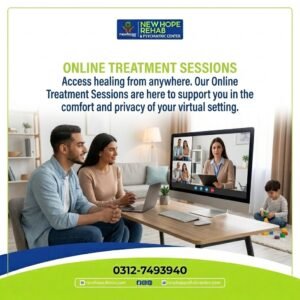
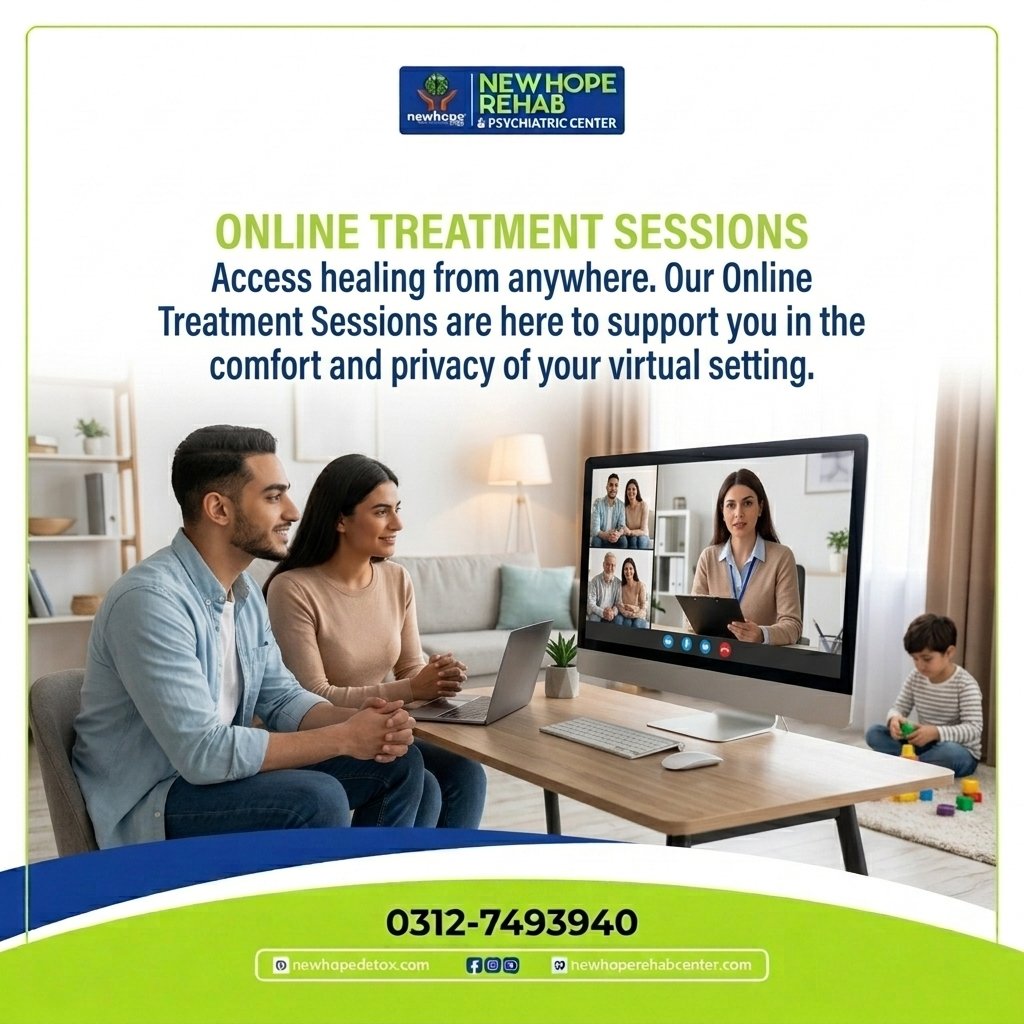
In today’s fast-paced digital world, mental health care is evolving to meet the changing needs of individuals. One of the most significant transformations in recent years has been the rise of online treatment sessions. As technology continues to advance and accessibility becomes a top priority, virtual therapy sessions are redefining the future of mental health services. At New Hope Rehab and Caring Center Islamabad, we are proud to embrace this new wave of care, offering convenient, effective, and confidential online mental health treatment options to people across Pakistan and beyond.

The Shift Toward Digital Mental Health Care

The global mental health crisis has emphasized the urgent need for more accessible care. Traditional face-to-face therapy has its limitations — long wait times, transportation issues, and stigma. Online counseling services offer a solution by removing these barriers and bringing mental health support directly to individuals in their homes.

With the growing use of smartphones, laptops, and stable internet connections, teletherapy in Pakistan is no longer a distant concept. It is a reality that is helping thousands receive the help they need, when they need it.

Benefits of Online Treatment Sessions

At New Hope Rehab and Caring Center Islamabad, we have witnessed firsthand the positive impact of virtual mental health services. Here are some of the most compelling benefits:

1. Convenience and Accessibility

Online sessions eliminate the need for travel, saving time and energy. Whether you’re in Islamabad, Lahore, or a remote village, access to qualified mental health professionals is now just a click away. This is especially beneficial for individuals with physical disabilities, busy schedules, or those living in rural areas.

2. Greater Privacy and Comfort

One of the main reasons people avoid seeking therapy is the fear of being judged. Online therapy platforms allow clients to attend sessions in a private, familiar environment — their home. This reduces anxiety and increases the chances of successful treatment.

3. Cost-Effective Mental Health Treatment

Online therapy often comes at a lower cost compared to in-person visits. With fewer overhead expenses, mental health clinics in Islamabad like ours can offer more affordable packages for individuals and families.

4. Flexible Scheduling

Virtual sessions allow for greater flexibility. Evening and weekend appointments make it easier for students, working professionals, and parents to prioritize their mental well-being without disrupting their daily responsibilities.

5. Continuity of Care During Crises

During times of crisis, such as the COVID-19 pandemic, online sessions ensured uninterrupted care. Clients were able to continue treatment despite lockdowns and social distancing protocols — a testament to the resilience of digital therapy models.

Popular Types of Online Mental Health Services

New Hope Rehab and Caring Center Islamabad offers a variety of online therapeutic approaches tailored to meet diverse needs:

  • Online Cognitive Behavioral Therapy (CBT)

  • Virtual Psychotherapy

  • Online Family Counseling

  • Online Addiction Counseling

  • Telepsychiatry for Medication Management

  • Mindfulness-Based Stress Reduction (MBSR) via video call

These services are provided by licensed and experienced therapists, psychiatrists, and mental health counselors who understand the nuances of virtual communication and maintain the highest ethical standards.

Online Therapy in Pakistan: Breaking the Stigma

Mental health stigma remains a significant barrier in Pakistani society. However, digital mental health platforms have started to change perceptions. The anonymity and privacy offered by online counseling in Pakistan help clients seek help without societal pressures. Over time, this has contributed to more open discussions about depression, anxiety, trauma, and other mental health conditions.

At New Hope Rehab and Caring Center Islamabad, we believe that increasing digital access can play a powerful role in eradicating mental health taboos and normalizing seeking support.

The Role of Technology in Mental Health Innovation

Technology is revolutionizing mental health care in various ways:

  • AI-Powered Mental Health Apps provide support between sessions.

  • Mood Tracking Tools help clients monitor progress.

  • Secure Video Conferencing Platforms ensure safe and confidential therapy.

  • Online Mental Health Assessments provide quick evaluations.

All these tools work together to enhance the effectiveness of virtual therapy and improve long-term outcomes.

Ensuring Quality and Security in Online Sessions

At New Hope Rehab and Caring Center Islamabad, client safety and data security are top priorities. Our HIPAA-compliant video platforms ensure full confidentiality. We conduct regular training sessions for therapists on digital therapy ethics, ensuring our clients get the highest level of professional care.

We also encourage feedback from clients to continually improve the user experience for online therapy. Whether it’s a one-time consultation or long-term counseling, our approach is always client-focused.

Who Can Benefit from Online Treatment?

Online therapy is suitable for individuals facing:

  • Depression and anxiety disorders

  • Post-traumatic stress disorder (PTSD)

  • Addiction and substance abuse

  • Relationship and family issues

  • Workplace stress and burnout

  • Panic attacks and phobias

However, individuals in acute crisis or with severe psychiatric conditions may require in-person or inpatient treatment, which we also offer at our facility in Islamabad.

The Future is Digital – and It’s Here

The rise of online mental health treatment is more than just a trend — it’s a necessary evolution. It’s about making mental health care more inclusive, accessible, and adaptive to the needs of modern society.

At New Hope Rehab and Caring Center Islamabad, we are committed to being at the forefront of this digital transformation. Our dedicated team of experts is trained in both traditional and online methods, offering a holistic approach that bridges compassion with technology.

Ready to Begin Your Healing Journey?

If you or a loved one are ready to take the first step toward better mental health, consider booking a free online consultation with our team. Whether you prefer chat-based counseling, phone calls, or video therapy, we’re here to support your journey.

Final Thoughts

The future of mental health care is undeniably digital. Online treatment sessions offer unmatched convenience, affordability, and effectiveness. They break barriers, reduce stigma, and allow people to receive care on their terms.

At New Hope Rehab and Caring Center Islamabad, we believe that healing begins with accessibility. Let us guide you toward a healthier, more peaceful life — online, anytime.


Related Article

Family Support Program – Family Support Program in Islamabad, Pakistan
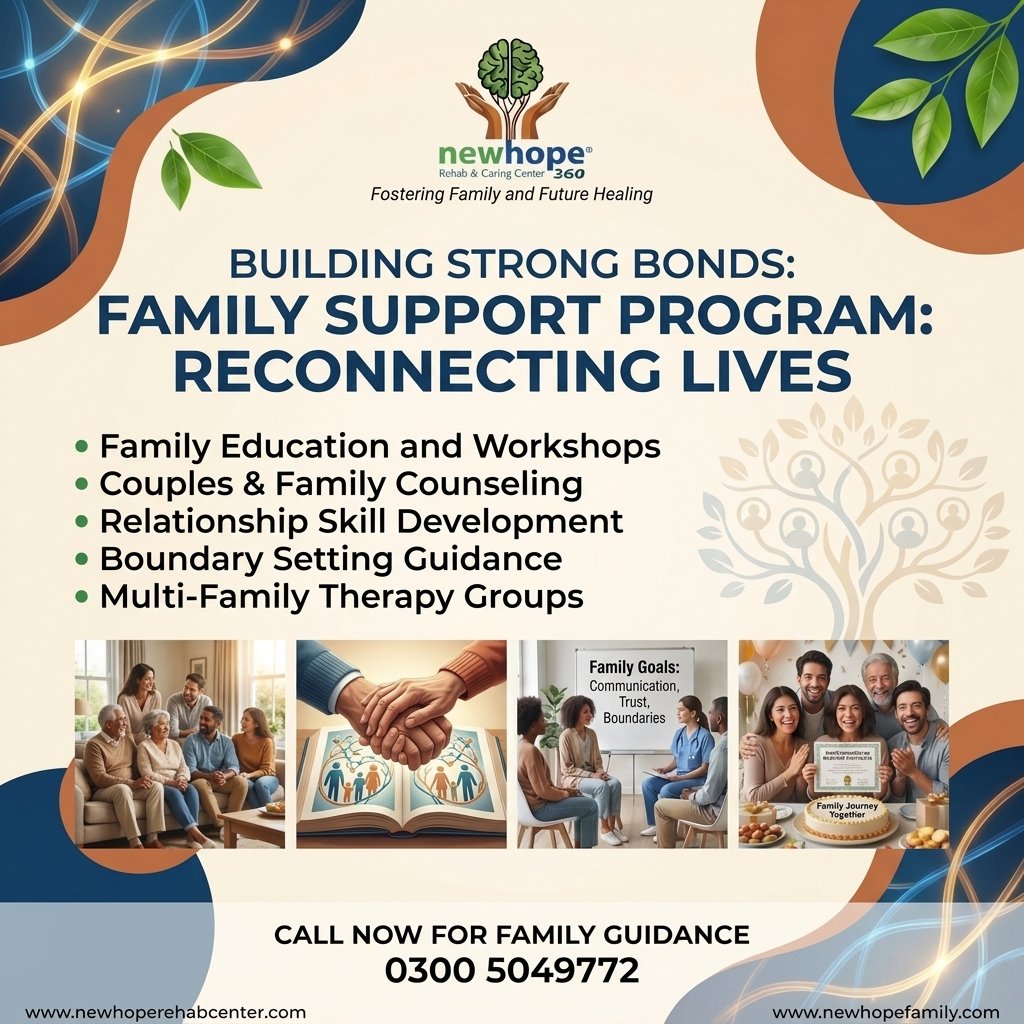
Family Support Program

Family Support Program – Family Support Program in Islamabad, Pakistan

Addiction and mental health difficulties can affect more than the person experiencing them. Parents, spouses, children, siblings, and caregivers may also experience worry, stress, confusion, financial pressure, and emotional exhaustion. A structured Family Support Program in Islamabad, Pakistan can help relatives understand these challenges and learn practical ways to provide healthy, respectful support. Family involvement doesn’t mean that relatives are responsible for another person’s recovery. Instead, family support can help create better communication, clearer boundaries, and a more stable environment. At New Hope Rehab and Caring Centre Islamabad, family-focused services can be considered as part of an individualized treatment plan when appropriate. What Is a Family Support Program? A Family Support Program is a structured approach that provides education, counseling, and guidance to people supporting a loved one with addiction or mental health concerns. Depending on individual circumstances, family support may include: Family counseling Addiction education Mental health awareness Communication guidance Boundary-setting strategies Relapse-prevention education Emotional support Guidance about continuing care The specific services should be adapted to the family’s needs and the individual’s treatment plan. Why Family Support Matters in Recovery Addiction can create misunderstandings within families. A relative may interpret changes in behavior as a lack of responsibility, while the person experiencing addiction may feel judged or misunderstood. Education can help families recognize that substance use disorders are health conditions involving behavioral, psychological, and physical factors. A supportive family environment may help by encouraging treatment, reducing unnecessary conflict, and providing appropriate emotional encouragement. However, families should also understand that support doesn’t mean accepting unsafe or harmful behavior. Family Support Program in Islamabad, Pakistan: What Can It Include? Family Counseling Family counseling provides a structured setting where relatives can discuss concerns with professional guidance. It may help address communication problems, conflict, expectations, and relationship difficulties. Education About Addiction Families can learn about cravings, tolerance, dependence, withdrawal, triggers, relapse, and recovery. Understanding these concepts can reduce stigma and unrealistic expectations. Communication Skills Healthy communication involves listening, expressing concerns respectfully, and avoiding unnecessary blame or shame. Family members can learn how to discuss treatment and recovery without turning every conversation into an argument. Healthy Boundaries Boundaries help families define what behavior they can and cannot accept. They can provide structure while allowing relatives to remain compassionate. Relapse-Prevention Education Families can learn about potential warning signs and appropriate responses. The goal is to encourage timely professional support rather than blame a person for a setback. Supporting a Loved One Without Enabling Substance Use One of the most difficult challenges for families is distinguishing support from enabling. Healthy support may include: Encouraging professional treatment Providing emotional encouragement Supporting healthy routines Maintaining reasonable boundaries Listening without unnecessary judgment Encouraging follow-up care Enabling can involve repeatedly making excuses for harmful behavior, covering up serious consequences, or providing money or resources that facilitate continued substance use. Every family situation is different, so professional guidance can be useful when relatives aren’t sure how to respond. Family Support and Mental Health Addiction may occur alongside depression, anxiety, trauma-related conditions, or other mental health concerns. These co-occurring conditions can create additional challenges for both the individual and the family. For example, a person may use substances to cope with emotional distress, while continued substance use may worsen mood, sleep, anxiety, or other symptoms. A family support program can help relatives understand the importance of addressing both mental health and substance use when they occur together. At New Hope Rehab and Caring Centre Islamabad, family involvement can be considered alongside addiction and mental health care when clinically appropriate. The Family’s Own Well-Being Matters Supporting someone with addiction can be emotionally demanding. Relatives may experience anxiety, anger, guilt, sadness, or burnout. Family members should therefore look after their own health as well. Helpful strategies may include: Maintaining healthy sleep and eating routines Staying connected with trusted people Taking appropriate breaks from caregiving Seeking counseling when needed Learning about addiction Setting realistic expectations Maintaining healthy personal boundaries A family member doesn’t have to manage addiction alone. Family Support During Long-Term Recovery Recovery is usually an ongoing process. After residential treatment or an intensive program, individuals may continue to face cravings, stress, relationship difficulties, or exposure to previous triggers. Families can provide constructive support by encouraging: Follow-up appointments Counseling Healthy routines Appropriate medication use Positive social connections Relapse-prevention strategies If a relapse occurs, families should avoid viewing it simply as a moral failure. Professional reassessment may help identify what contributed to the setback and whether the treatment plan needs adjustment. Respecting Privacy and Individual Choice Family participation should respect confidentiality and the individual’s rights. Not every treatment detail needs to be shared with every relative. Healthcare professionals can help determine what information may appropriately be discussed and how family involvement can support treatment without compromising privacy. Frequently Asked Questions (FAQs) 1. What is a Family Support Program? A Family Support Program provides education, counseling, and practical guidance to relatives supporting someone with addiction or mental health difficulties. 2. Why is family involvement important in recovery? Family involvement can improve communication, reduce misunderstanding, encourage healthy boundaries, and provide appropriate emotional support during recovery. 3. Can family members attend counseling sessions? In appropriate circumstances, family counseling may be included in a person’s treatment plan. Participation should respect clinical considerations, confidentiality, and the individual’s consent. 4. How can families avoid enabling addiction? Families can maintain healthy boundaries, avoid covering up harmful behavior, encourage professional treatment, and provide emotional support without facilitating substance use. 5. Should families seek support for themselves? Yes. Supporting someone with addiction can be stressful. Family members may benefit from counseling, education, trusted social support, and strategies for protecting their own emotional well-being. Conclusion A Family Support Program in Islamabad, Pakistan can help relatives better understand addiction and mental health concerns while developing healthier communication, boundaries, and coping strategies. Family support isn’t about controlling another person’s recovery; it’s about creating informed and constructive support while protecting the well-being of everyone involved. At New Hope Rehab and Caring Centre Islamabad, family-focused care can

Founding of YouTube A Short History

YouTube is one of the most influential platforms in modern media, but its origin story is surprisingly simple: a small team wanted an easier way to share video online. In the early 2000s, uploading and sending video files was slow, formats were inconsistent, and most websites weren’t built for smooth playback. YouTube’s founders focused on removing those barriers—making video sharing as easy as sending a link. Who Founded YouTube? YouTube was founded by three former PayPal employees: Chad Hurley, Steve Chen, and Jawed Karim. They combined product thinking, engineering skills, and a clear user goal: create a website where anyone could upload a video and watch it instantly in a browser. Chad Hurley — product/design focus and early CEO role Steve Chen — engineering and infrastructure Jawed Karim — engineering and early concept support The Problem YouTube Solved At the time, sharing video often meant emailing huge files or dealing with complicated players and downloads. YouTube made video: Uploadable by non-experts (simple interface) Streamable in the browser (no special setup) Sharable through links and embedding on other sites Early Growth and the First Video YouTube launched publicly in 2005. One of the most famous early moments was the first uploaded video, “Me at the zoo,” featuring co-founder Jawed Karim. The clip was short and casual—exactly the kind of everyday content that proved the platform’s big idea: ordinary people could publish video without needing a studio. Key Milestones Timeline Year/Date Milestone Why It Mattered 2005 YouTube is founded and launches Introduced easy browser-based video sharing 2005 “Me at the zoo” is uploaded Became a symbol of user-generated video culture 2006 Google acquires YouTube Provided resources to scale hosting and global reach Why Google Bought YouTube By 2006, YouTube’s traffic was exploding. Video hosting is expensive—bandwidth and storage costs rise fast when millions of people watch content daily. Google’s acquisition gave YouTube the infrastructure and advertising ecosystem to grow into a sustainable business. What YouTube’s Founding Changed YouTube didn’t just create a popular website; it reshaped how people learn, entertain themselves, and build careers online. Its founding helped accelerate: Creator-driven media and influencer culture How-to education and free tutorials at massive scale Music discovery, commentary, and global community trends From a small startup idea to a global video powerhouse, YouTube’s founding is a classic example of a simple product solving a real problem—and changing the internet in the process.

Online Treatment Sessions – Online Treatment Sessions in Islamabad, Pakistan
Online Treatment Sessions

Online Treatment Sessions – Online Treatment Sessions in Islamabad, Pakistan

Access to healthcare can sometimes be difficult for people who have work responsibilities, mobility limitations, family commitments, or concerns about visiting a treatment facility. Online Treatment Sessions in Islamabad, Pakistan can provide a practical way for some individuals to connect with qualified professionals through secure remote communication. Online treatment may be useful for selected mental health and addiction-related concerns, particularly when a person is medically stable and does not require continuous supervision. It isn’t suitable for every situation, especially emergencies or severe withdrawal. A professional assessment can help determine whether remote care is appropriate. At New Hope Rehab and Caring Centre Islamabad, online sessions may support individuals who need counseling, psychological guidance, recovery education, or continuing care while remaining at home. What Are Online Treatment Sessions? Online treatment sessions are healthcare or counseling appointments conducted remotely through digital communication. Depending on the person’s needs and the services available, sessions may involve psychological counseling, addiction recovery support, family guidance, or follow-up care. Remote treatment can be particularly useful when in-person attendance isn’t practical. However, online care should complement appropriate medical treatment rather than replace emergency services or necessary face-to-face assessment. Who May Benefit From Online Treatment? Online treatment may be considered for individuals who are clinically stable and able to participate safely from home. It may be useful for people seeking support for: Anxiety and stress Depression Addiction recovery Relapse prevention Smoking or nicotine dependence Family-related concerns Recovery after residential treatment Certain co-occurring mental health and substance-use concerns Suitability depends on the individual’s symptoms, medical needs, safety, privacy, and access to appropriate support. Online Addiction Treatment and Recovery Support Addiction recovery often involves continuing psychological and behavioral support. Online sessions can provide a convenient way to maintain contact with a counselor or treatment professional. Depending on the treatment plan, sessions may address: Craving Management Individuals can learn techniques for recognizing cravings and responding to them without returning to substance use. Trigger Identification Counseling can help identify people, places, emotions, and situations that may increase the risk of substance use. Relapse Prevention Online sessions may help individuals review their recovery goals, recognize early warning signs, and strengthen coping strategies. Behavioral Therapy Approaches such as Cognitive Behavioral Therapy (CBT) may be used when clinically appropriate to address unhelpful thoughts and behaviors. Online Mental Health Support Mental health concerns can sometimes occur alongside addiction. Anxiety, depression, trauma-related symptoms, and other psychological difficulties may require ongoing attention. Online counseling can provide a structured environment for discussing emotional concerns, developing coping skills, and monitoring changes in symptoms. However, severe psychiatric symptoms may require in-person assessment or a higher level of care. Benefits of Online Treatment Sessions For appropriate patients, remote care can offer several practical benefits. Convenience People may attend sessions without traveling to a treatment facility, which can make regular appointments easier to maintain. Continuity of Care Online appointments can help some individuals remain connected with treatment professionals after completing residential or intensive care. Family Participation When clinically appropriate and with the necessary consent, family members may participate in selected online counseling sessions. Privacy and Familiarity Some people feel more comfortable discussing sensitive concerns from a familiar environment. A private room and secure communication method are important for confidentiality. Limitations of Online Treatment Online treatment isn’t appropriate for every clinical situation. It may not be sufficient when a person has: Severe or potentially dangerous withdrawal An overdose or suspected poisoning Severe intoxication Acute psychosis Immediate risk of suicide or self-harm Serious medical complications A need for continuous monitoring These situations require urgent or in-person medical care. Individuals experiencing severe breathing difficulties, unconsciousness, seizures, serious injury, or an immediate danger to themselves or others should seek emergency medical assistance rather than relying on an online appointment. How to Prepare for an Online Treatment Session A few simple steps can improve the quality of a remote appointment: Choose a quiet and private location. Use a reliable internet connection. Keep relevant medication information available. Be prepared to discuss current symptoms honestly. Avoid using alcohol or recreational drugs immediately before a session. Make sure a trusted person can be contacted if additional support is required. Confidentiality should be discussed with the healthcare professional, particularly when sensitive information is being shared online. Online Treatment as Part of Continuing Care Recovery is often a long-term process rather than a single event. Online sessions may provide useful continuing support for people who have already completed detoxification or residential treatment. Follow-up care can focus on maintaining healthy routines, managing stress, addressing cravings, monitoring mental health, and responding to changing recovery needs. At New Hope Rehab and Caring Centre Islamabad, online support can be considered as part of an individualized care plan when appropriate. Frequently Asked Questions (FAQs) 1. What are Online Treatment Sessions? Online treatment sessions are remote appointments that allow individuals to communicate with healthcare or mental health professionals through digital communication. 2. Can online sessions help with addiction recovery? They may support counseling, behavioral therapy, relapse prevention, recovery education, and follow-up care for suitable individuals. They don’t replace emergency or medically necessary in-person treatment. 3. Can family members join an online session? Family participation may be possible when clinically appropriate and when the patient provides the necessary consent. 4. Are online sessions suitable for drug or alcohol withdrawal? Not always. Withdrawal can sometimes become medically dangerous, particularly with alcohol and certain medications. A healthcare professional should assess the appropriate level of care. 5. Can online treatment replace residential rehabilitation? For some stable individuals, remote care may be useful as part of treatment or continuing care. Others may require residential or medically supervised treatment based on their clinical needs. Conclusion Online Treatment Sessions in Islamabad, Pakistan can make selected counseling and continuing-care services more accessible to individuals who are medically and psychologically suitable for remote treatment. They can support addiction recovery, mental health care, family counseling, and relapse-prevention work. At New Hope Rehab and Caring Centre Islamabad, online sessions can form part of an individualized treatment approach when appropriate. The priority

Best Rehab Center – Best Rehab Center in Islamabad, Pakistan
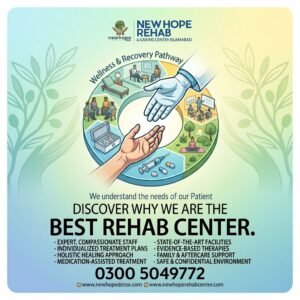
Best Rehab Center

Best Rehab Center – Best Rehab Center in Islamabad, Pakistan

Finding the Best Rehab Center in Islamabad, Pakistan is an important decision for individuals and families dealing with addiction or related mental health concerns. Rehabilitation is not simply about stopping alcohol or drug use. Effective care may also involve understanding the reasons behind substance use, managing withdrawal safely, developing healthier coping skills, repairing relationships, and preparing for long-term recovery. In New Hope Rehab and Caring Centre Islamabad –patients receive evidence-informed person-centered care, in a respectful environment. Explanation: Treatment is best started with a professional assessment, as everyone’s situation is unique and there are no universal procedures. How to Treat Someone in a Rehab Center Families determine what “best” means to them. An appropriate rehab center would take into consideration a lot patient safety, skilled healthcare employees to manage them, ethical therapy for patients who struggle with addiction and maintain confidentiality when treating patients and focus on personalized remedy choices. Important factors to consider include: Competent normal therapy clusters furthermore emotional wellness executives Appropriate assessment and treatment planning Safe withdrawal management when required Individual and group counseling Mental health support Family involvement Relapse-prevention planning Continuing care and aftercare Respectful and non-stigmatizing treatment These questions include what types of substances are treated and whether the facility can treat medical or psychiatric needs that may require more intensive treatment. Rehabilitation Center for The Treatment of Addiction Addiction can relate to alcohol, opioids, stimulants, cannabis, prescription medications or other substances. That treatment should be informed by the drug in question and the condition of individuals. Alcohol Addiction Cravings, loss of control over drinking, tolerance and withdrawal are aspects of alcohol use disorder. Substantial or continued liquor use may well be hazardous and bring about withdrawal ailments; as a result, clinical evaluation must always precede cessation of hasty weight loss plans. Opioid Addiction Physical dependence and powerful cravings occur from heroin and other opioids. Therapy may consist of withdrawal management, behavioral therapy, and when clinically appropriate evidence-based medications including buprenorphine or methadone. ICE and Crystal Meth Addiction It cited methamphetamine, which is know to be a potent stimulant impact sleep patterns, mood or behavior, cardiovascular health and wellbeing, as well as psychological effects. Management often focuses on behavioral and psychological therapies, supportive care, and relapse prevention. Cannabis Addiction Cannabis is sometimes thought to be less harmful than other substances, but cannabis can submit some people to developing cannabis use disorder (CUD). Rather, counseling and behavioral methods can assist with managing the problematic use and its triggers. The Importance of Detoxification Detox is typically the first step of addiction treatment, but it does not equal rehab. Detox is when the body has to adapt to lower or no use of drugs. Withdrawal symptoms depend upon the type of substance and level of dependence. This is especially true for withdrawal from alcohol, benzodiazepines and other substances linked to potentially severe complications requiring medical supervision. An appropriate rehab center must consider the risk of withdrawal before prescribing a plan for detox. Mental Health and Simultaneous Interactive Diagnostic Care Dual diagnosis refers to an addiction and a mental health concern. Severe Psychological Issues You should contact a substance abuse specialist because most people with addictions also suffer from severe psychological problems such as depression, anxiety, trauma-related conditions and bipolar disorder that influence their use of substances and recovery. This is also known as a dual diagnosis or co-occurring disorder. When both issues are involved, treatment should address both, rather than treating Substance abuse only. Psychological counselling, behavior therapy, psychiatric evaluation, and proper medication may be prescribed as needed based on the clinical conditions. Counseling and Behavioral Therapy Most rehabilitation programs include some form of counseling. Individual therapy allows people to dig deeper into exploring: Substance-use triggers Emotional difficulties Family relationships Unhealthy behavioral patterns Recovery goals Cravings and high-risk situations One of the evidence-based approaches is Cognitive Behavioral Therapy (CBT), which can support someone to identify maladaptive thoughts and create healthy coping mechanisms. Group therapy encourages peer support and chances to learn by observation of others with similar challenges. Family Support in Rehabilitation Addiction does not only impact the individual but the family as well. Others might be tense, anxious or angry, and some may not even know how to respond. The family support programme may include education concerning addiction, counselling, communication training and help in setting up healthy boundaries. Dates Very few family involvement can be involved at the facility like New Hope Rehab and Caring Centre Islamabad When appropriate, and when part of an individual’s overall treatment plan made by a health professional in-charge, ensuring privacy is NOT infringed. Relapse Prevention and Aftercare Just because rehabilitation is over doesn’t mean that recovery has ended. Triggers Specific To Opposite Sieve returning to prior environments, unmanaged stress, problems with mental health or exposure sub[planning to substance Good textual triggers put the user at risk for trousers(relapse reserves). A continuing-care plan may include: Follow-up counseling Trigger identification Craving-management strategies Family support Healthy routines Mental health care Peer support Relapse-prevention planning On the off chance that you have a relapse; it tends to be an opportunity for proficient re-evaluation. And because their needs change, the treatment plan might have to be changed too. How to Choose the Right Rehab Center for You Instead of labelling facilities, families comparing rehab options need to ask if the facility is ethical and providing proper care. Useful questions include: Are treatment plans individualized? Are qualified healthcare professionals involved? How are withdrawal risks assessed? Is mental health evaluated? Is family participation available? What aftercare do you have? If a patient requires more extensive medical care? These questions give families additional information to make a more educated choice. Frequently Asked Questions (FAQs) 1.     FINDING THE BEST REHAB CENTER IN ISLAMABAD, PAKISTAN Considerations include trained staff, personalized treatment programs, the attentive and reasonable medical setting, psychological support and family therapy — expert relapse prevention strategies, privacy preservation even after treatment has ceased — continuity of care. 2.     Is a detox enough to treat addiction? Detox is often only