+92 312 7493940

Alcohol Addiction Treatment Centre in Islamabad, Pakistan: Treatment, Recovery and Support

Alcohol Addiction Treatment Centre in Islamabad, Pakistan: Treatment, Recovery and Support

One of the important steps for getting rid of alcohol dependence is finding an appropriate Alcohol Addiction Treatment Centre in Islamabad, Pakistan. Alcohol addiction can impact your physical health, mental health, social life, work and family. But, with proper professional support, you can learn to manage alcoholism and achieve long-term recovery.

Alcohol use disorder is a condition characterized by the inability to stop or control drinking although it has caused problems in one life. Treatment should focus on more than alcohol use, with interventional components addressing withdrawal risks, psychological health (including co-occurring mental disorders) and family circumstances, surroundings and relapse risk.

New Hope Rehab and Caring Centre Islamabad provide a structured change programmed for anyone struggling to cope with an addiction or mental health issue due.

What Is Alcohol Addiction?

Alcoholism (or alcohol addiction, alcohol dependence), is a disease characterized by repeated drinking of alcoholic drinks that would cause a significant issue for your life which the person cannot control. Continued use despite having persistent or recurrent social, occupational behavioral, or relationship problems caused by the effects of alcohol

Common warning signs can include:

  • Strong cravings for alcohol
  • Drinking more or for longer than you intended
  • Trouble cutting back and quitting alcohol
  • Developing tolerance
  • Experiencing withdrawal symptoms after stopping
  • Neglecting family, work or other duties
  • Drinking regardless of the adverse results
  • Devoting a lot of time to get alcohol or recover from its effects

Detecting these signs early can motivate people and their families to ask for a professional assessment.

Why Get Professional Alcohol Addiction Treatment

For those who are heavily physically dependent on alcohol, stopping suddenly is not always safe. It can also include seizures, profound confusion, hallucinations or delirium and sometimes it gets serious enough to act as a medical emergency.

This is why anyone with high alcohol intake or long-term use should seek medical advice before abruptly discontinuing.

Before determining the best treatment approach for them, a licensed alcohol abuse center in Islamabad matches the person’s drinking background, physical health, mental health, drugs they are taking or have used, and their probability of withdrawal.

Alcohol Detoxification and Withdrawal Management

Alcohol detox is usually a first step in recovery for those who are physically dependent on alcohol. The goal here is to train the body not only to do without alcohol, but also to monitor and control withdrawal symptoms.

Possible withdrawal symptoms include:

  • Anxiety or restlessness
  • Tremors
  • Sweating
  • Nausea
  • Headaches
  • Sleep difficulties
  • Irritability
  • Increased heart rate

The most severe types of withdrawal can involve seizures, hallucinations or profound confusion and need immediate medical attention.

But detox alone is not a cure for addiction. Continuous care has been shown to be effective in helping people reduce the risk of relapse and maintain a full recovery.

Counseling for Alcohol Addiction

Psychological treatment teaches people what drives their drinking and how they can cope in a healthier way with stress, emotions and difficult situations.

Counseling may focus on:

  • Identifying drinking triggers
  • Managing alcohol cravings
  • Improving emotional regulation
  • Challenging unhealthy thought patterns
  • Developing healthier coping skills
  • Improving decision-making
  • Building motivation for recovery

Where appropriate, cognitive behavioral approaches may be incorporated. Treatments should be personalized rather than cookie-cutter across the board for everyone.

Mental Health and Alcohol Addiction
Alcohol Addiction Treatment Centre in Islamabad, Pakistan: Treatment, Recovery and Support

Co-occurring Alcohol Use Disorder and Mental Health Conditions Psychological states, such as depression and anxiety and trauma-related symptoms can affect alcohol use while heavy drinking may impact the emotional and psychological health of individuals.

A good treatment plan must, therefore, take into account both conditions when they exist.

Which is why this integrated method has other names like dual diagnosis treatment or co-occurring disorder care. Treating mental health issues in conjunction with an alcohol problem will help you recover more completely.

Family Support During Alcohol Recovery

Families can be greatly taxed by alcohol dependence. Alternatively, loved ones might worry, fight over what to do, struggle with their finances or not know what to do.

Family counseling and education can teach family members about alcohol dependence and how they can encourage recovery in more effective ways.

This is a powerful message around how families can learn to:

  • Communicate calmly and clearly
  • Establish appropriate boundaries
  • Avoid enabling harmful drinking
  • Encourage professional treatment
  • Support healthy routines
  • Recognize warning signs
  • Respond appropriately during a crisis

Family members should ask for emotional support also when needed.

Relapse Prevention After Alcohol Treatment

After the treatment period, there is continued recovery. Cravings to consume alcohol will resurface when someone is put in a stressful situation or put near the people, places, or situations that they were in during previous drinking.

A relapse-prevention plan can include:

  1. Identifying personal triggers
  2. Continuing counseling or therapy
  3. Developing healthy daily routines
  4. Building a supportive social network
  5. Managing stress in healthier ways
  6. Avoiding high-risk situations
  7. Maintaining follow-up care
  8. Proactive treatment when cravings feel difficult to control

Realizing that returning to drinking is not a failure of the program, but rather an inherent part of it. This can be a moment to re-evaluate what the person needs and provide stronger support for recovery.

Selecting an Alcohol Addiction Treatment Centre in Islamabad

Keep in mind the most important thing when looking for an Alcohol Addiction Treatment Centre in Islamabad, Pakistan is to look at quality of care and not just advertisements or false promises of 100% recovery.

Important questions include:

  • Is a trained medical or mental health provider helping?
  • Is a full workup done prior to treatment?
  • How is Alcohol Withdrawal Symptoms Monitored or Treated?
  • Is there walk-in emergency medical assistance?
  • Are counseling and behavioral therapies offered?
  • Is mental health assessed?
  • Is family support included?
  • Does the program include relapse prevention measures?
  • Is follow-up or aftercare available?

Such questions can then assist individuals and families to make a more educated decision about the treatment.

In Islamabad, New Hope Rehabilitation and caring center offer alcohol rehabilitation services.

New Hope Rehab and Caring Centre Islamabad have organized lodgings for all who are confronting enslavement and psychological wellness issues.

Each person’s substance-use history, physical health, psychological needs, family circumstances and recovery goals should be taken into account for treatment. The appropriateness of the identification and assistance can be determined through a professional evaluation.

It’s important to get help quickly, especially if drinking is impacting health, home life, work or school responsibilities or safety.

Frequently Asked Questions

1.     Which is the best treatment for alcoholism?

There is no one-size-fits-all treatment. The treatment methods depend on the particular needs of the individual and may involve medical withdrawal management, counselling, behavioral therapy, mental health treatment, family involvement and/or relapse prevention.

2.     Who Needs Alcohol Detoxification?

Not necessarily. Whether medically supervised withdrawal is needed depends on the drinking history, physical dependence, previous experiences with alcohol withdrawal and general health. A qualified professional can evaluate the degree of risk.

3.     Can alcohol withdrawal be dangerous?

Yes. In severe cases, alcohol withdrawal may cause seizures, hallucinations and extreme confusion or delirium which could lead to needing immediate medical care. If you have very heavy alcohol dependence then you should not stop suddenly without medical advice.

4.     Alcohol addiction is something that often calls for some form of counseling to overcome.

Counseling is a take-back part of treatment. It can assist them in managing cravings, improve their coping skills, identifying triggers and dealing with psychological issues relating to drinking. Here are some who must also be given medical or psychiatric support.

5.     What is the duration of alcohol dependency therapy?

The treatment duration is different in each case. This may be based on the extent and duration of use, withdrawal risks, mental and physical health status, previous treatment history, and motivating recovery needs or goals.

Conclusion

An Alcohol Addiction Treatment Centre in Islamabad, Pakistan offers structured professional help for those who have trouble controlling alcohol consumption. Because many of the risks associated with alcohol dependence are immediate, effective care should focus on these as well as on longer-term psychological, behavioral, and social aspects of recovery.

Depending on your condition, medical assessment, withdrawal management if indicated, mental health care and family support will be components of a comprehensive recovery plan.

If you have health problems, relationship issues or losing control over use of alcohol, talking to a competent addiction or mental health professional can help identify your next best steps. If you are trying and need qualified help, New Hope Rehab and Caring Centre Islamabad provide individuals within troubled families with opportunity for a fresh start.

Related Article

Alcohol Addiction Treatment Centre in Islamabad, Pakistan: Treatment, Recovery and Support
Alcohol Addiction

Alcohol Addiction Treatment Centre in Islamabad, Pakistan: Treatment, Recovery and Support

One of the important steps for getting rid of alcohol dependence is finding an appropriate Alcohol Addiction Treatment Centre in Islamabad, Pakistan. Alcohol addiction can impact your physical health, mental health, social life, work and family. But, with proper professional support, you can learn to manage alcoholism and achieve long-term recovery. Alcohol use disorder is a condition characterized by the inability to stop or control drinking although it has caused problems in one life. Treatment should focus on more than alcohol use, with interventional components addressing withdrawal risks, psychological health (including co-occurring mental disorders) and family circumstances, surroundings and relapse risk. New Hope Rehab and Caring Centre Islamabad provide a structured change programmed for anyone struggling to cope with an addiction or mental health issue due. What Is Alcohol Addiction? Alcoholism (or alcohol addiction, alcohol dependence), is a disease characterized by repeated drinking of alcoholic drinks that would cause a significant issue for your life which the person cannot control. Continued use despite having persistent or recurrent social, occupational behavioral, or relationship problems caused by the effects of alcohol Common warning signs can include: Strong cravings for alcohol Drinking more or for longer than you intended Trouble cutting back and quitting alcohol Developing tolerance Experiencing withdrawal symptoms after stopping Neglecting family, work or other duties Drinking regardless of the adverse results Devoting a lot of time to get alcohol or recover from its effects Detecting these signs early can motivate people and their families to ask for a professional assessment. Why Get Professional Alcohol Addiction Treatment For those who are heavily physically dependent on alcohol, stopping suddenly is not always safe. It can also include seizures, profound confusion, hallucinations or delirium and sometimes it gets serious enough to act as a medical emergency. This is why anyone with high alcohol intake or long-term use should seek medical advice before abruptly discontinuing. Before determining the best treatment approach for them, a licensed alcohol abuse center in Islamabad matches the person’s drinking background, physical health, mental health, drugs they are taking or have used, and their probability of withdrawal. Alcohol Detoxification and Withdrawal Management Alcohol detox is usually a first step in recovery for those who are physically dependent on alcohol. The goal here is to train the body not only to do without alcohol, but also to monitor and control withdrawal symptoms. Possible withdrawal symptoms include: Anxiety or restlessness Tremors Sweating Nausea Headaches Sleep difficulties Irritability Increased heart rate The most severe types of withdrawal can involve seizures, hallucinations or profound confusion and need immediate medical attention. But detox alone is not a cure for addiction. Continuous care has been shown to be effective in helping people reduce the risk of relapse and maintain a full recovery. Counseling for Alcohol Addiction Psychological treatment teaches people what drives their drinking and how they can cope in a healthier way with stress, emotions and difficult situations. Counseling may focus on: Identifying drinking triggers Managing alcohol cravings Improving emotional regulation Challenging unhealthy thought patterns Developing healthier coping skills Improving decision-making Building motivation for recovery Where appropriate, cognitive behavioral approaches may be incorporated. Treatments should be personalized rather than cookie-cutter across the board for everyone. Mental Health and Alcohol Addiction Co-occurring Alcohol Use Disorder and Mental Health Conditions Psychological states, such as depression and anxiety and trauma-related symptoms can affect alcohol use while heavy drinking may impact the emotional and psychological health of individuals. A good treatment plan must, therefore, take into account both conditions when they exist. Which is why this integrated method has other names like dual diagnosis treatment or co-occurring disorder care. Treating mental health issues in conjunction with an alcohol problem will help you recover more completely. Family Support During Alcohol Recovery Families can be greatly taxed by alcohol dependence. Alternatively, loved ones might worry, fight over what to do, struggle with their finances or not know what to do. Family counseling and education can teach family members about alcohol dependence and how they can encourage recovery in more effective ways. This is a powerful message around how families can learn to: Communicate calmly and clearly Establish appropriate boundaries Avoid enabling harmful drinking Encourage professional treatment Support healthy routines Recognize warning signs Respond appropriately during a crisis Family members should ask for emotional support also when needed. Relapse Prevention After Alcohol Treatment After the treatment period, there is continued recovery. Cravings to consume alcohol will resurface when someone is put in a stressful situation or put near the people, places, or situations that they were in during previous drinking. A relapse-prevention plan can include: Identifying personal triggers Continuing counseling or therapy Developing healthy daily routines Building a supportive social network Managing stress in healthier ways Avoiding high-risk situations Maintaining follow-up care Proactive treatment when cravings feel difficult to control Realizing that returning to drinking is not a failure of the program, but rather an inherent part of it. This can be a moment to re-evaluate what the person needs and provide stronger support for recovery. Selecting an Alcohol Addiction Treatment Centre in Islamabad Keep in mind the most important thing when looking for an Alcohol Addiction Treatment Centre in Islamabad, Pakistan is to look at quality of care and not just advertisements or false promises of 100% recovery. Important questions include: Is a trained medical or mental health provider helping? Is a full workup done prior to treatment? How is Alcohol Withdrawal Symptoms Monitored or Treated? Is there walk-in emergency medical assistance? Are counseling and behavioral therapies offered? Is mental health assessed? Is family support included? Does the program include relapse prevention measures? Is follow-up or aftercare available? Such questions can then assist individuals and families to make a more educated decision about the treatment. In Islamabad, New Hope Rehabilitation and caring center offer alcohol rehabilitation services. New Hope Rehab and Caring Centre Islamabad have organized lodgings for all who are confronting enslavement and psychological wellness issues. Each person’s substance-use history, physical health, psychological needs, family circumstances and recovery goals

Best Drug Rehabilitation Centre in Pakistan: How to Choose the Right One
Best Drug Rehabilitation Centre

Best Drug Rehabilitation Centre in Pakistan: How to Choose the Right One

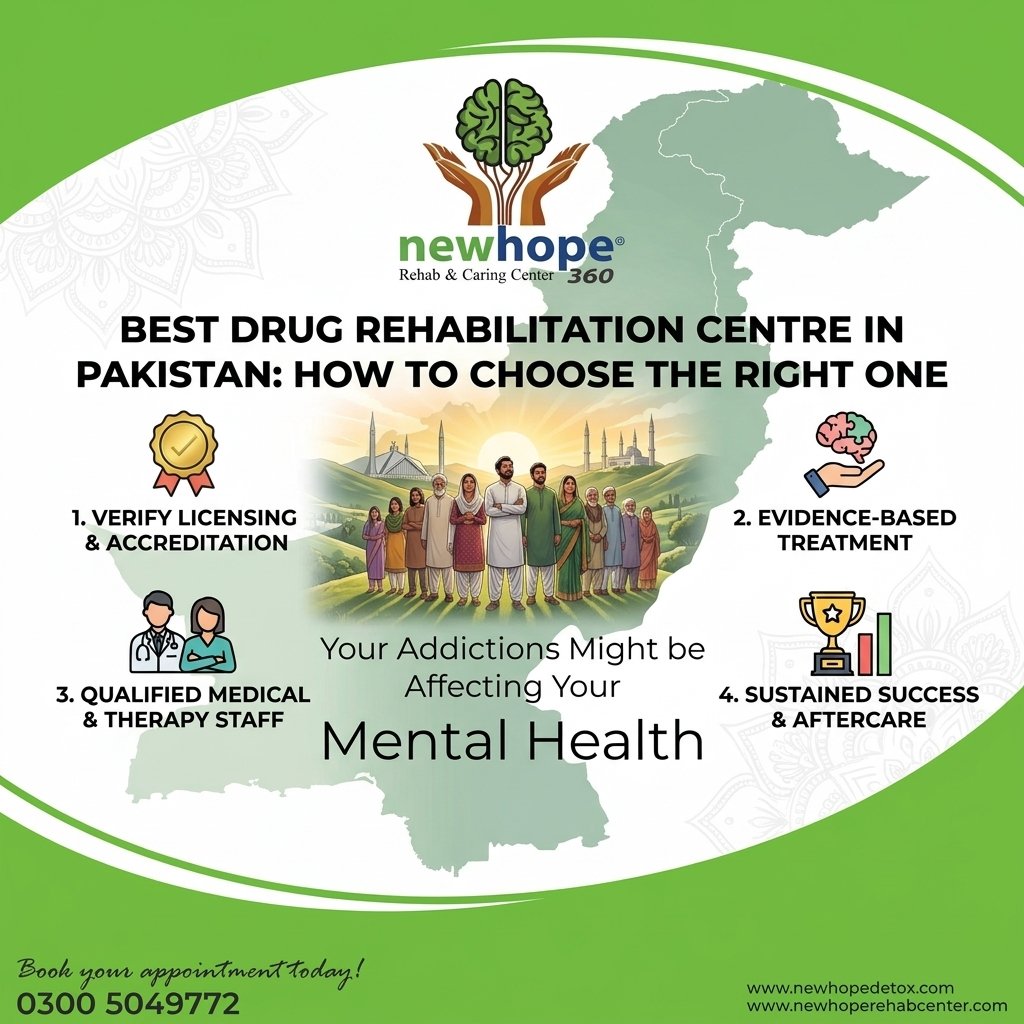
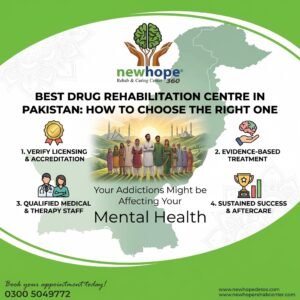
Finding the Best Drug Rehabilitation Centre in Pakistan is an important decision for individuals struggling with drug addiction and for families looking for safe, professional support. Choosing the right rehabilitation facility involves more than comparing locations or facilities. The quality of treatment, medical supervision, mental health support, counseling, family involvement, and aftercare can all influence the recovery journey. Drug addiction is a complex health condition that can affect physical health, emotional well-being, relationships, education, employment, and family life. A suitable rehabilitation program should therefore address the individual as a whole rather than focusing only on stopping substance use. New Hope Rehab and Caring Centre Islamabad provides structured support for individuals and families dealing with addiction and related mental health concerns. What Is Drug Rehabilitation? Drug rehabilitation is a structured process designed to help people overcome problematic substance use and develop healthier ways of managing life without drugs. Treatment may include medical assessment, withdrawal management, individual counseling, behavioral therapies, psychological support, family counseling, and relapse-prevention planning. The appropriate treatment approach depends on factors such as: Type of substance being used Frequency and duration of use Physical health Mental health Previous treatment history Family and social support Risk of withdrawal complications Because every person’s circumstances are different, individualized treatment is generally more appropriate than a one-size-fits-all approach. Why Choosing the Right Rehab Centre Matters Not every rehabilitation program provides the same level or type of care. A facility should have an approach that considers both the medical and psychological aspects of addiction. A well-structured program can help individuals understand the factors contributing to substance use and develop practical skills for managing cravings, stress, emotional difficulties, and high-risk situations. When evaluating a drug rehabilitation centre in Pakistan, families should look beyond marketing claims and ask specific questions about treatment quality and safety. What to Look for in the Best Drug Rehabilitation Centre in Pakistan Qualified Medical and Mental Health Professionals Professional care is an important consideration when selecting a rehabilitation facility. Ask whether the center has appropriately qualified medical, psychological, and addiction-treatment professionals involved in patient care. Medical supervision can be particularly important when withdrawal from certain substances may involve serious complications. Comprehensive Assessment A good treatment plan should begin with an assessment rather than immediately applying the same program to everyone. Assessment may consider substance use patterns, physical health, psychological symptoms, medications, previous treatment, family circumstances, and immediate safety concerns. This information can help professionals determine suitable treatment options. Detoxification and Withdrawal Support Some individuals require medically supervised detoxification before beginning ongoing rehabilitation. Withdrawal symptoms vary depending on the substance and the person’s health. For certain drugs, withdrawal can become medically serious. A rehabilitation facility should therefore have clear procedures for monitoring withdrawal symptoms and responding to medical complications. It is also important to understand that detox is not the same as complete addiction treatment. Withdrawal management is often only the first stage of a longer recovery process. Counseling and Behavioral Therapy Counseling is an important component of many addiction treatment programs. It can help individuals understand their substance-use patterns, identify triggers, and develop healthier coping strategies. Behavioral approaches, including cognitive behavioral techniques, may help people: Recognize situations that increase the risk of drug use Manage cravings Identify unhelpful thought patterns Improve emotional regulation Develop healthier responses to stress Strengthen motivation for recovery Build practical relapse-prevention skills Individual therapy may be combined with group sessions or other psychological interventions depending on the person’s needs. Mental Health and Dual Diagnosis Care Drug addiction can occur alongside mental health conditions such as depression, anxiety, trauma-related problems, or other psychiatric difficulties. When both addiction and mental health concerns are present, this is sometimes described as a dual diagnosis or co-occurring disorder. A rehabilitation center should be able to identify psychological concerns and incorporate appropriate mental health support into the treatment plan. Ignoring an underlying mental health problem may make long-term recovery more difficult. Family Support in Addiction Recovery Addiction affects families as well as individuals. Family members may experience stress, fear, financial concerns, communication difficulties, and uncertainty about how to provide support. A strong rehabilitation program may involve families through education, counseling, communication guidance, and healthy boundary-setting. Family support can help loved ones understand addiction while learning how to encourage recovery without unintentionally enabling harmful behavior. Relapse Prevention and Aftercare Recovery does not necessarily end when an individual completes a rehabilitation program. Returning to previous environments, social groups, stressors, or habits can increase the risk of relapse. For this reason, families should ask about aftercare before selecting a rehabilitation center. A relapse-prevention plan may include: Identifying personal triggers Continuing counseling Developing healthy daily routines Building a supportive network Avoiding high-risk environments Learning craving-management strategies Scheduling follow-up support Seeking help early when difficulties return A setback should be treated as a reason to reassess and strengthen the treatment plan rather than as proof that recovery is impossible. Questions to Ask Before Choosing a Drug Rehab Before selecting a rehabilitation facility, consider asking: What type of addiction treatment is provided? Is there a complete medical and psychological assessment? Who provides the treatment? How are withdrawal symptoms monitored? Is mental health care available? Is family counseling offered? What therapies are included? How is relapse prevention addressed? What happens after the main treatment program ends? How are medical or psychiatric emergencies handled? Clear answers to these questions can help families make a more informed decision. Why Consider New Hope Rehab and Caring Centre Islamabad? New Hope Rehab and Caring Centre Islamabad supports individuals and families dealing with addiction and related mental health challenges. Its approach can include structured addiction treatment, counseling, psychological support, family involvement, and recovery planning. When considering any rehabilitation facility, families should evaluate whether its services match the individual’s specific needs and whether professional support is available throughout the recovery process. Frequently Asked Questions 1. How do I choose the best drug rehabilitation centre in Pakistan? Look for a facility that offers qualified professional care, individualized assessment, appropriate withdrawal management, counseling, mental health support, family

Methamphetamine Addiction in Pakistan: Key Facts About Causes, Signs and Recovery
Methamphetamine Addiction

Methamphetamine Addiction in Pakistan: Key Facts About Causes, Signs and Recovery

Methamphetamine is a strong stimulant that can affect the brain, body, emotions and day to day life in a dangerous way. Methamphetamine addiction is decorated by a pattern of compulsive use, which alters the brain’s reward system so that it becomes more difficult for you to control your substance use. To do you know meth also referred to as crystal methamphetamine or ice. Some individuals use it initially for stimulation, increased attentiveness or euphoria but developing cravings can lead to dependence, sleep disruption, psychiatric issues and pronounced behavior change with a continued pattern over time. With the right professional support, recovery is possible. Treatment can include medical evaluation, detox management, counseling, behavioral therapy, mental health services and family assistance and relapse prevention. New Hope rehab and caring center Islamabad provides a structured environment for addiction and recovery for those individuals and families. What Is Methamphetamine Addiction? Chemical use disorder is a term used to describe substances such as methamphetamine where the person using the substance may find that they are unable to stop or control their use of meth whilst also continuing with this use even though it makes them unwell (they are less able than other people not to take meth). Meth is a powerful central nervous stimulant and affects the natural chemicals in the brain that are used for reward and motivation. Over time, a user may develop tolerance (using more of the substance to experience the same effects). Some of the signs that your methamphetamine use is problematic include: Strong cravings for meth Increasing tolerance Staying awake for long periods Marking gulps of urge or weigh Neglecting work, school or family responsibilities Irritability or unusual mood changes Using in spite of Health Problems Repeated unsuccessful attempts to stop Using a lot of time acquiring or beating Meth Reasons that lead to Addiction towards Meth in Pakistan There’s not one single cause of addiction. Many biological, psychological, social and environmental factors may make a person more vulnerable. Peer Pressure and Social Environment Peer influence or social exposure causes some to begin experimenting with stimulants. Having ongoing exposure to people or places where drugs are used can make you more likely to use drugs again. Stress and Emotional Difficulties Acute stress, major life events, and depression and anxiety can drive people to engage in substance use. Many are first introduced to stimulants as a means of coping with emotional hardships or things we may otherwise find taxing. Regular use may lead to poor mental and emotional health in the long run. Family and Personal Factors The risk for addiction can be mediated by various contributors including a family history of substance use disorders, difficult family relationships, previous substance use and deficient coping strategies. A deeper understanding of these factors may facilitate expansion of treatment that targets more than the substance alone. Signs of Methamphetamine Addiction   By recognizing early signs of meth use, families may be able to identify the need for help sooner. Physical Signs Possible physical changes include: Reduced appetite Weight loss Increased heart rate Excessive sweating Dilated pupils Sleep deprivation Repetitive movements or restlessness Poor dental health These signs can be associated with other factors, and thus are not sufficient by themselves to diagnose addiction. Behavioral and Psychological Signs It can also impact thoughts, emotions and behavior — meth is powerful. A person may experience: Anxiety or agitation Irritability Mood swings Suspiciousness or paranoia Poor concentration Social withdrawal Confusion Some cases of hallucinations or even other psychotic symptoms If you have severe confusion, are having hallucinations or psychosis, chest pain, seizures, or large disparities in level of consciousness (eg: fell into a coma), please seek urgent medical input. Effects of Methamphetamine Addiction Chronic or heavy use of meth, however, can have effects throughout the body. Some of the potential effects are heart related issues, trouble sleeping, diet complications, dental problems as well as anxiety disorders, depression and paranoia. Addiction also has a negative impact on relationships, employment, education, finances and the support system of the family itself. Methamphetamine is a powerful stimulant that can significantly alter the reward and motivational systems of the brain, which is why some people end up finding it difficult to go off meth even after experiencing serious consequences. Methamphetamine Withdrawal and Detox Someone who has been using meth for a period of time and stops can go into withdrawal or “crash.” Possible symptoms include: Extreme fatigue Increased sleep Increased appetite Low mood Irritability Anxiety Difficulty concentrating Strong cravings Disturbed sleep patterns It varies from person to person for both severity and duration. While stimulant withdrawal often does not require the same medical detox as some substances, assessment by professionals is still important. If you’re experiencing severe depression, suicidal thoughts, psychosis or other concerning symptoms you need to see a relevant health professional immediately. Methamphetamine Addiction Treatment in Pakistan There isn’t a one size fits all for treatment. Mental wellness, physical health, and substance use history should be the first three topics or skills needed to draw up a good recovery plan while support system need to come last. Medical and Psychological Assessment Treatment will start with a full assessment. Substance use, physical health, mental health, medications, previous treatments and any current safety concerns may be reviewed by professionals. This informs the degree of care necessary. Counseling and Behavioral Therapy Behavioral treatment also can help to determine triggers, patterns of substance use, and coping strategies. People may be helped by cognitive behavioral approaches: Recognize high-risk situations Manage cravings Challenge unhelpful thought patterns Improve decision-making Develop healthier responses to stress Strengthen motivation for recovery Mental Health Support Many people who are addicted to methamphetamine also experience depression, anxiety or PTSD as well, or other mental health related issues. Psychological problems should be diagnosed and treated when they occur in recovery. Addressing both substance use and mental health issues can offer a more holistic approach. Family Support and Recovery Family participation is beneficial during drug addiction treatment. Still, families need to be educated

Dual Diagnosis Treatment in Pakistan: Key Steps for Addiction and Mental Health Recovery
Dual Diagnosis Treatment

Dual Diagnosis Treatment in Pakistan: Key Steps for Addiction and Mental Health Recovery

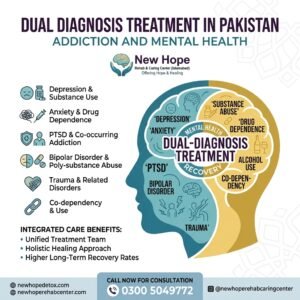
The treatment of both the substance use disorder and a mental health condition is called dual diagnosis. They impact each other and they are made worse rather than better by treating them separately. Someone struggling with addiction could also an ongoing battle against depression, anxiety, trauma symptoms, bipolar disorder or some other mental illness. Addiction treatment is effective care if it looks beyond just addiction and treats the person (or client) holistically. Medical assessment, withdrawal management, counseling, behavioral therapies, psychiatric care, family support and relapse prevention may serve as possible treatment. In New Hope Rehab and Caring Centre Islamabad in addition we provide structured programs for the ones suffering from addiction on an individual level but also a family rehabilitation program to assist with treatment as well for any concerns around mental wellbeing. What Is Dual Diagnosis? Co-occurring disorder: Dual diagnosis or Co-occurring refers to a situation where an individual has a comorbid mental health and substance use disorder. Substance use can include different types of drugs, including alcohol, heroin, methamphetamine, cannabis, cocaine or opioids like prescription medicines and other addictive substances. Depression, anxiety disorders, post-traumatic stress disorder (PTSD), bipolar disorder and other psychiatric problems are all considered mental health conditions. That relationship between the two conditions may be different. Mental health symptoms can be present before the onset of substance use, appear during chronic use or worsen in relation to intoxication or withdrawal. An evaluation can ascertain the issues at play and indicate the best plan of care. Reasons Addiction Co-Occur with Mental Health Problems It is well-known that very few people have just one cause when it comes to co-occurring addiction and mental health. Biological, psychological, social and environment may be involved. Self-Medication and Emotional Pain Others develop problems with drugs or alcohol as a means of dealing with anxiety, sadness, trauma, loneliness, insomnia, or other emotional challenges. While a substance can provide momentary escape from unpleasant symptoms, continued use can lead to features of dependence which, at least in the long term, may exacerbate psychological symptoms. Substance-Induced Mental Health Symptoms Some substances can alter mood, affect sleep, and impact the ability to think and perceive. Some people may have anxiety, agitation, confusion or psychotic symptoms associated with stimulants like methamphetamine. Going off heroin, for instance, is associated with very extreme fluctuations in mood and behavior. Shared Risk Factors Many risk elements may be common across addiction and mental well-being conditions together with: continual stress, trauma, social isolation, family background and terrible life events. These factors, which may overlap, can lead to a greater vulnerability to either disorder. Signs That Could Mean a Dual Diagnosis And it can be easy to confuse alcoholism with mental illness. Possible warning signs include: Persistent sadness or hopelessness Severe or ongoing anxiety Major mood changes Social withdrawal Changes in sleep or appetite Unusual suspiciousness or paranoia Difficulty controlling substance use Ancient civilizations in order to manage emotions Deterioration of job, academic or family functioning Delirium or a psychological symptom that lasts longer than intoxication or withdrawal Having these symptoms does not equate to a dual diagnosis. This should be assessed properly by a qualified professional. How Dual Diagnosis Treatment in Pakistan Functions Treatment is individualized based on the individual’s substance use, mental health, physical health, safety needs, and recovery goals. Comprehensive Assessment Normally treatment starts with an assessment of substance abuse and psychological wellbeing. Professionals may review: Substance use history Previous treatment Withdrawal experiences Current medications Physical health Mood and behavior Sleep patterns Trauma history Family and social circumstances A thorough evaluation can determine whether a psychologic disorder stands on its own or an interplay of symptoms directly due to (or exacerbated by) substance use. Withdrawal and Medical Support Others can have life-threatening withdrawal complications. Medically supervised withdrawal management may be required based on the substance and physical health of the person. Detox is helpful in addressing the physical ramifications of ending substance use, but it is not a comprehensive addiction or mental health treatment. Counseling and Behavioral Therapy Psychotherapy can also raise users’ awareness about the connection of their thoughts, emotions and behaviors and substance use. Evidence-informed techniques such as cognitive-behavioral strategies may provide assistance with: Managing cravings Identifying triggers Challenging unhealthy thought patterns Improving coping skills Managing stress Strengthening motivation for recovery Mental Health Treatment and Medication Many sufferers also have coexisting conditions that need psychiatric treatment and can be managed through medical prescriptions. Medications should be prescribed according to an individual patient diagnosis, medical history, current substance use, and other clinical issues. By beneficial guide injection shall be only taken according to approved determination conducted by a respectable board. This also should not be initiated, discontinued or changed without suitable medical assistance. It can give you a well-rounded treatment plan and make sure that mental health symptoms are not neglected as they begin to tackle addiction. The Role of Family Support Families also suffer significantly from stress when addiction and mental health problems are involved. Family and friends may feel confused, scared, angry or lost as to what to do. Family education has raised awareness, which helps decrease blame and stigma and promotes better dialogue. Families can support recovery by: Encouraging professional treatment Learning about co-occurring disorders Communicating calmly and respectfully Establishing healthy boundaries Supporting treatment appointments Watching for significant behavioral changes Encouraging healthy routines When Safety as Concerns Invoke Seeking Professional Guidance Appropriately, family assures themselves emotionally as well. Relapse Prevention in Dual Diagnosis Recovery Both addiction and mental health may need to be treated long term in recovery. Cravings and relapses can be prompted by emotional fallout, pressure situations, social conflict, or contact with previously drug-using settings. A relapse-prevention plan may include: Continuing counseling Regular mental health follow-up Taking prescribed medication appropriately Identifying personal triggers Developing healthy coping strategies Building a reliable support network Keeping a regular sleep and daily routine Avoiding high-risk environments Seeking professional help when symptoms exacerbate A return to drug use does not signify that treatment has failed. This can mean that