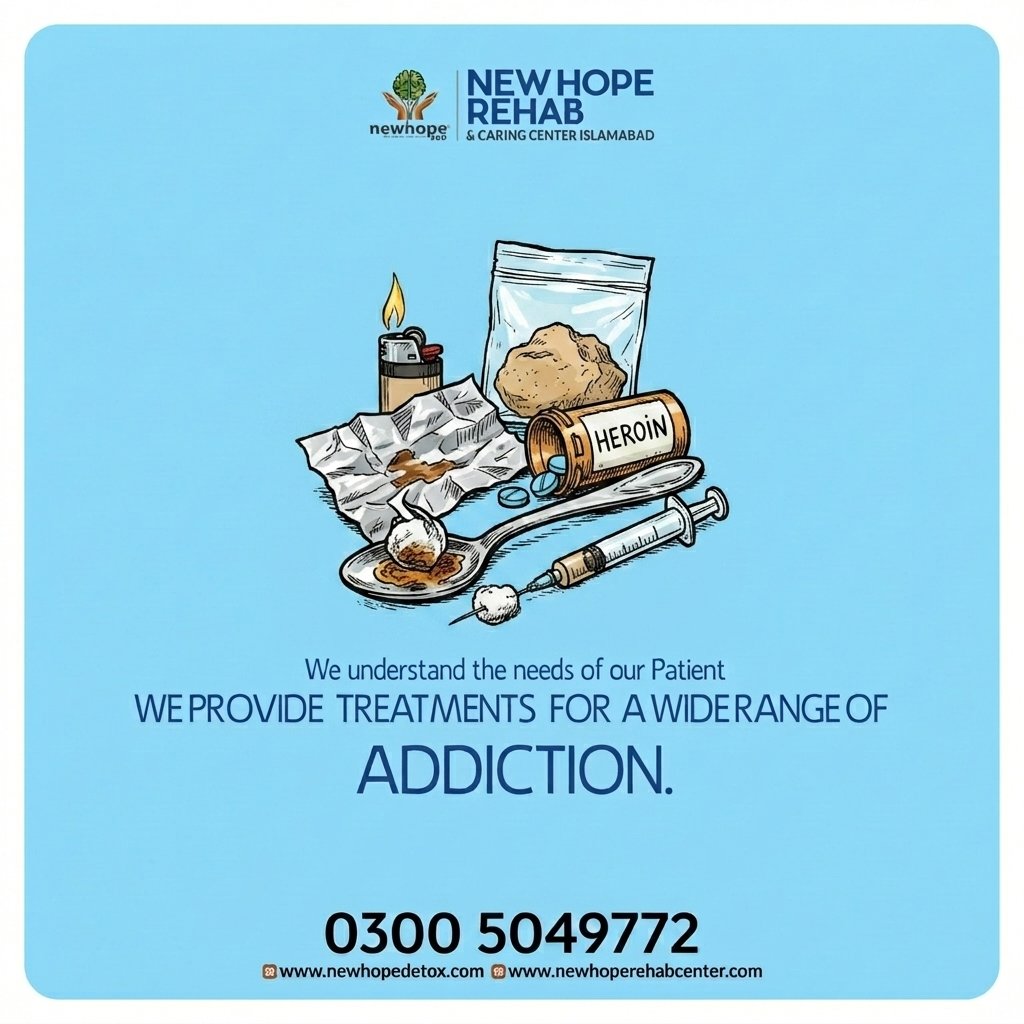
Heroin is a powerful opioid that can cause dependence and addiction, affecting a person’s physical health, mental well-being, relationships, and ability to manage everyday responsibilities. Heroin Addiction in Pakistan is a serious health concern that can affect individuals from different ages and backgrounds.
Recognizing the signs early can make it easier for families to seek professional support. Treatment may include medical assessment, withdrawal management, counseling, behavioral therapy, medication when clinically appropriate, family involvement, and long-term relapse prevention. New Hope Rehab and Caring Centre Islamabad provides structured support for individuals and families dealing with substance use and recovery.
What Is Heroin Addiction?
Heroin is an opioid made from morphine. It can produce feelings of relaxation, pleasure, and drowsiness. Repeated use can cause the brain and body to adapt to the drug, leading to tolerance and physical dependence.
Addiction develops when a person has difficulty controlling heroin use and continues taking it despite harmful consequences.
Common signs may include:
- Strong cravings for heroin
- Increasing tolerance
- Spending considerable time obtaining or using heroin
- Neglecting work, education, or family responsibilities
- Changes in friendships or social activities
- Financial difficulties
- Secretive or unusual behavior
- Repeated attempts to stop without lasting success
- Withdrawal symptoms when heroin use is reduced or stopped
These signs can vary from person to person, so a professional assessment is important.
Signs of Heroin Addiction to Watch For
Families may notice physical, behavioral, or emotional changes.
Physical Signs
Possible physical signs include:
- Extreme drowsiness
- Slowed movements
- Small or pinpoint pupils
- Nausea or constipation
- Itching or sweating
- Changes in appetite or weight
- Marks associated with injection use
- Frequent health problems
A person experiencing opioid intoxication may appear unusually sleepy or difficult to wake.
Behavioral and Emotional Signs
Changes in behavior can sometimes become more noticeable than physical symptoms. Someone may withdraw from family activities, miss work or school, borrow money frequently, or become secretive about their activities.
Mood changes, irritability, anxiety, and loss of interest in previously enjoyable activities may also occur.
Effects of Heroin Addiction on the Body
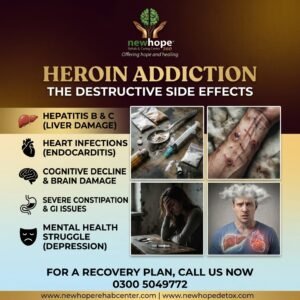
Long-term heroin use can affect several areas of health. Possible complications include respiratory problems, constipation, infections, cardiovascular complications, poor nutrition, and other health difficulties.
Injection use can carry additional risks, including infections and transmission of blood-borne diseases when needles or other equipment are shared.
Heroin can also cause overdose by slowing breathing. Overdose risk is particularly concerning when heroin is combined with other central nervous system depressants or when tolerance has decreased after a period of abstinence.
Effects on Mental Health and Daily Life
Heroin addiction doesn’t only affect the body. It can interfere with mood, motivation, concentration, relationships, employment, education, and financial stability.
Some people experience depression, anxiety, social isolation, or emotional distress alongside opioid addiction.
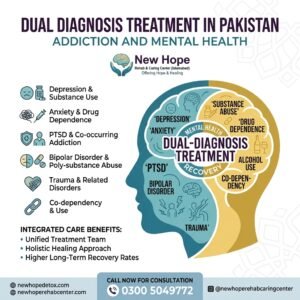
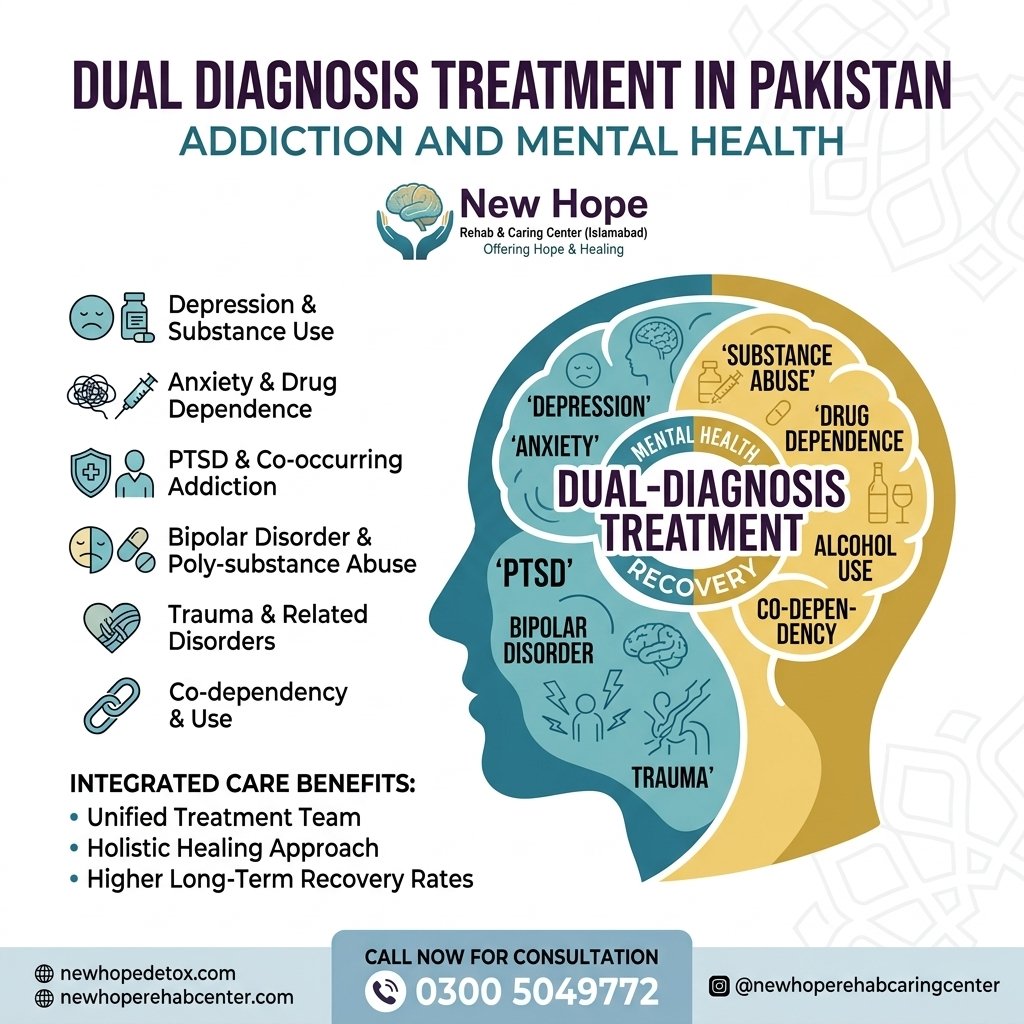
When addiction and a mental health condition occur together, an integrated treatment approach may be useful. Addressing both concerns can help create a more complete recovery plan.
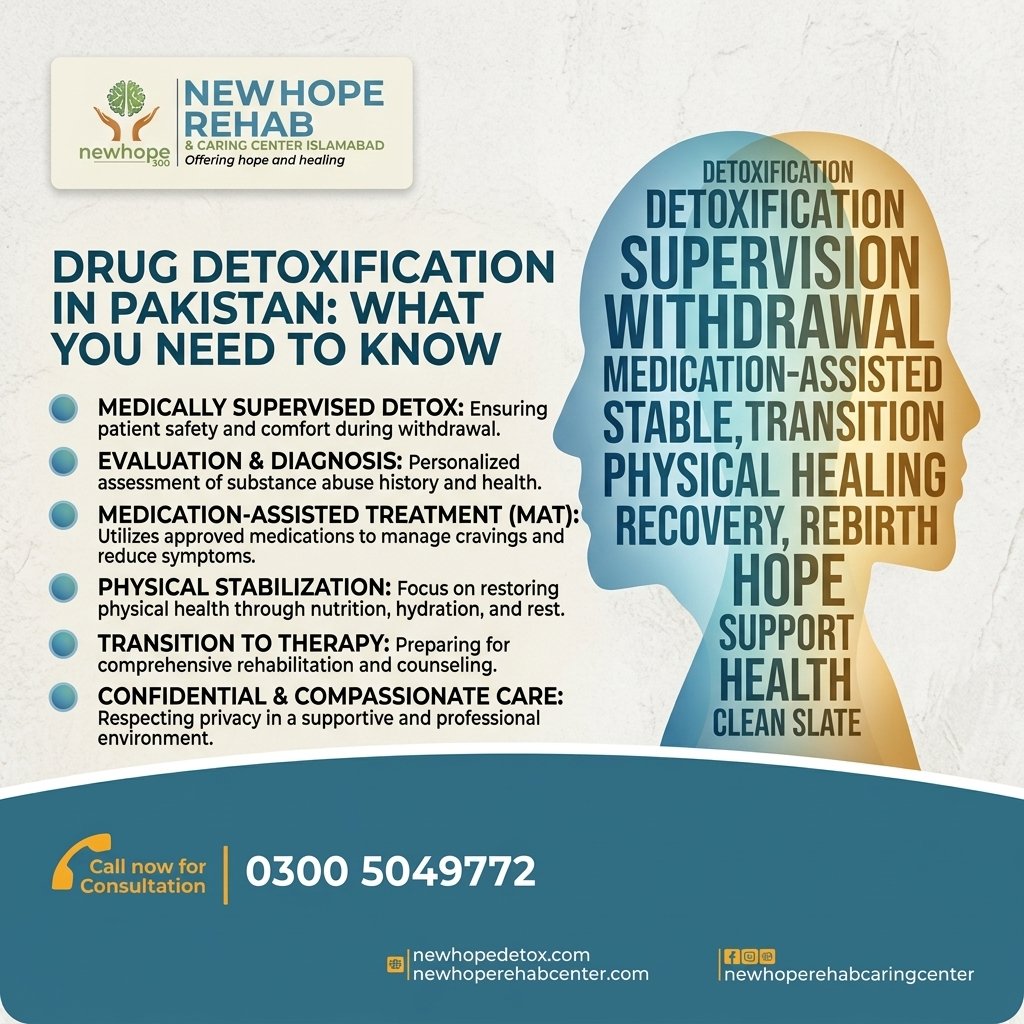
Heroin Withdrawal and Detoxification
When a person who is physically dependent on heroin suddenly stops using it, withdrawal can develop.
Symptoms may include:
- Muscle and body aches
- Sweating
- Restlessness
- Runny nose
- Abdominal cramps
- Nausea or vomiting
- Diarrhea
- Anxiety and irritability
- Insomnia
- Strong cravings
Opioid withdrawal is usually not fatal by itself, but it can be severe and difficult to manage. Returning to opioid use after detox can also be dangerous because tolerance may have decreased, increasing the risk of overdose.
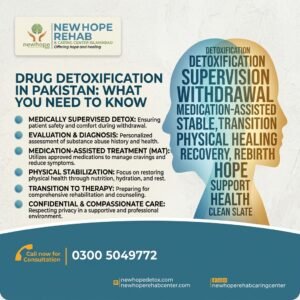
Professional assessment can help determine the safest approach to withdrawal management.
Heroin Addiction Treatment in Pakistan
Effective treatment should be individualized rather than based on a one-size-fits-all program.
Medical Assessment
Treatment commonly begins with an assessment of substance use, physical health, mental health, medications, previous treatment, and withdrawal history.
The results can help determine the appropriate level of care.
Medication and Withdrawal Management
For opioid use disorder, certain evidence-based medications can reduce withdrawal symptoms and cravings and support recovery when prescribed and monitored by qualified healthcare professionals.
Medication decisions should be based on an individual’s medical needs and should never involve self-medication.
Counseling and Behavioral Therapy
Counseling helps people understand the patterns behind substance use and develop healthier ways to manage stress and cravings.
Behavioral approaches can focus on:
- Identifying triggers
- Managing cravings
- Improving decision-making
- Building coping skills
- Addressing harmful thought patterns
- Strengthening motivation for recovery
Treatment can also address practical issues involving family, work, education, and social relationships.
The Role of Family Support
Heroin addiction can place considerable pressure on families. Loved ones may experience fear, anger, guilt, or confusion.
Family members can support recovery by encouraging professional care, learning about opioid addiction, communicating respectfully, and establishing appropriate boundaries.
They can also encourage continued treatment after withdrawal management rather than viewing detox as the end of recovery.
Family education can help reduce stigma and create a healthier environment for long-term change.
Relapse Prevention and Long-Term Recovery
Recovery continues after the initial treatment period. Cravings can return during periods of stress or after exposure to people, places, or situations associated with previous drug use.
A relapse-prevention plan may include:
- Continuing counseling
- Following prescribed treatment
- Identifying high-risk situations
- Developing healthy daily routines
- Building supportive relationships
- Avoiding environments associated with drug use
- Managing stress in healthier ways
- Attending follow-up appointments
- Seeking professional help quickly when cravings increase
A return to heroin use should be taken seriously because overdose risk can be high after tolerance has fallen. It can also be a reason to review and strengthen the treatment plan.
How to Choose a Heroin Treatment Center
Families searching for Heroin Addiction in Pakistan treatment should look for a provider that prioritizes patient safety, individualized care, professional assessment, and continuing support.
Before selecting a facility, consider asking:
- Is there a complete medical assessment?
- How is opioid withdrawal managed?
- Are evidence-based medications available when appropriate?
- Is counseling provided?
- Are mental health concerns assessed?
- Is family support available?
- Does the program include relapse prevention?
- Is aftercare provided?
- How are emergencies handled?
New Hope Rehab and Caring Centre Islamabad can be considered by individuals and families seeking structured addiction treatment and recovery support in Islamabad.
Frequently Asked Questions
1. What are the most common signs of heroin addiction?
Strong cravings, increasing tolerance, withdrawal symptoms, changes in behavior, neglect of responsibilities, continued use despite harm, and difficulty stopping are common signs.
2. Can heroin addiction be treated?
Yes. Opioid addiction is treatable. Depending on individual needs, treatment may combine medication, counseling, behavioral therapy, medical support, and continuing care.
3. Is heroin withdrawal dangerous?
Withdrawal can be extremely uncomfortable. Although opioid withdrawal is generally not fatal by itself, dehydration, underlying medical conditions, relapse, and overdose after tolerance has decreased can create serious risks.
4. Is detox alone enough to treat heroin addiction?
No. Detox primarily manages the physical process of withdrawal. Long-term treatment is often needed to address cravings, behavior, mental health, social factors, and relapse prevention.
5. How can families help someone addicted to heroin?
Families can encourage professional treatment, learn about opioid addiction, communicate without unnecessary judgment, establish healthy boundaries, and support continued treatment. They should also seek professional guidance when safety is a concern.
Conclusion
Heroin Addiction in Pakistan can have serious consequences for physical health, mental health, families, and communities. Recognizing warning signs and seeking professional help early can provide an important opportunity for intervention.
Treatment should go beyond simply stopping heroin use. Medical assessment, appropriate withdrawal management, evidence-based treatment, counseling, mental health support, family involvement, and relapse prevention can all contribute to a stronger recovery plan.
If you or someone you care about is struggling with heroin use, speaking with a qualified addiction professional can help identify appropriate treatment options. New Hope Rehab and Caring Centre Islamabad provides structured support for individuals and families seeking addiction recovery services in Islamabad.