+92 312 7493940

Dual Diagnosis Treatment in Pakistan: Key Steps for Addiction and Mental Health Recovery

Dual Diagnosis Treatment in Pakistan: Key Steps for Addiction and Mental Health Recovery

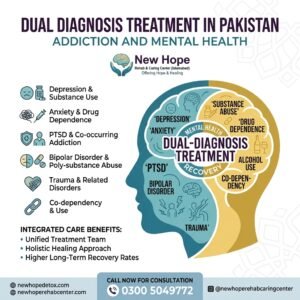
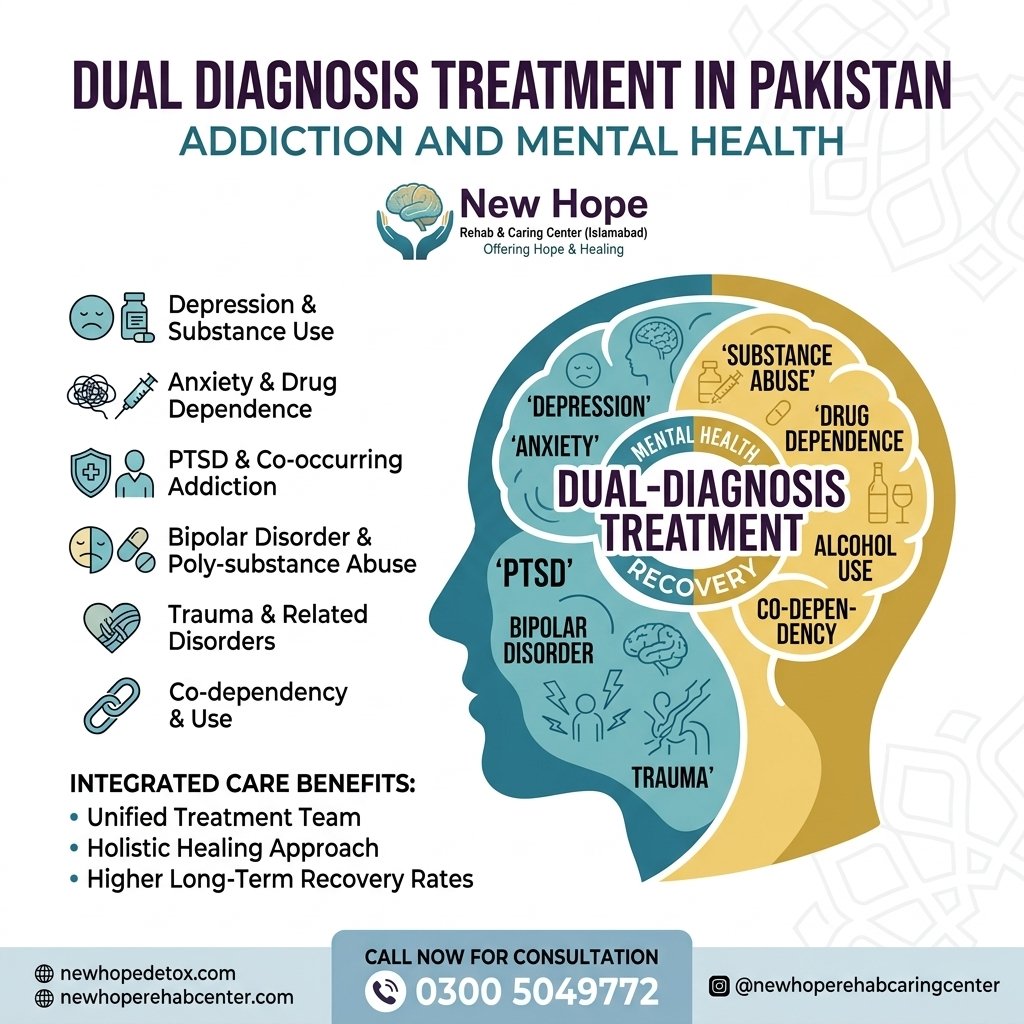
The treatment of both the substance use disorder and a mental health condition is called dual diagnosis. They impact each other and they are made worse rather than better by treating them separately. Someone struggling with addiction could also an ongoing battle against depression, anxiety, trauma symptoms, bipolar disorder or some other mental illness.

Addiction treatment is effective care if it looks beyond just addiction and treats the person (or client) holistically. Medical assessment, withdrawal management, counseling, behavioral therapies, psychiatric care, family support and relapse prevention may serve as possible treatment. In New Hope Rehab and Caring Centre Islamabad in addition we provide structured programs for the ones suffering from addiction on an individual level but also a family rehabilitation program to assist with treatment as well for any concerns around mental wellbeing.

What Is Dual Diagnosis?

Co-occurring disorder: Dual diagnosis or Co-occurring refers to a situation where an individual has a comorbid mental health and substance use disorder.

Substance use can include different types of drugs, including alcohol, heroin, methamphetamine, cannabis, cocaine or opioids like prescription medicines and other addictive substances. Depression, anxiety disorders, post-traumatic stress disorder (PTSD), bipolar disorder and other psychiatric problems are all considered mental health conditions.

That relationship between the two conditions may be different. Mental health symptoms can be present before the onset of substance use, appear during chronic use or worsen in relation to intoxication or withdrawal.

An evaluation can ascertain the issues at play and indicate the best plan of care.

Reasons Addiction Co-Occur with Mental Health Problems

It is well-known that very few people have just one cause when it comes to co-occurring addiction and mental health. Biological, psychological, social and environment may be involved.

Self-Medication and Emotional Pain

Others develop problems with drugs or alcohol as a means of dealing with anxiety, sadness, trauma, loneliness, insomnia, or other emotional challenges. While a substance can provide momentary escape from unpleasant symptoms, continued use can lead to features of dependence which, at least in the long term, may exacerbate psychological symptoms.

Substance-Induced Mental Health Symptoms

Some substances can alter mood, affect sleep, and impact the ability to think and perceive. Some people may have anxiety, agitation, confusion or psychotic symptoms associated with stimulants like methamphetamine.

Going off heroin, for instance, is associated with very extreme fluctuations in mood and behavior.

Shared Risk Factors

Many risk elements may be common across addiction and mental well-being conditions together with: continual stress, trauma, social isolation, family background and terrible life events. These factors, which may overlap, can lead to a greater vulnerability to either disorder.

Signs That Could Mean a Dual Diagnosis

And it can be easy to confuse alcoholism with mental illness.

Possible warning signs include:

  • Persistent sadness or hopelessness
  • Severe or ongoing anxiety
  • Major mood changes
  • Social withdrawal
  • Changes in sleep or appetite
  • Unusual suspiciousness or paranoia
  • Difficulty controlling substance use
  • Ancient civilizations in order to manage emotions
  • Deterioration of job, academic or family functioning

Delirium or a psychological symptom that lasts longer than intoxication or withdrawal

Having these symptoms does not equate to a dual diagnosis. This should be assessed properly by a qualified professional.

How Dual Diagnosis Treatment in Pakistan Functions
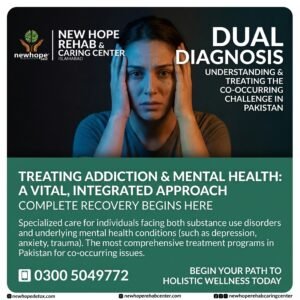
Dual Diagnosis Treatment in Pakistan: Key Steps for Addiction and Mental Health Recovery

Treatment is individualized based on the individual’s substance use, mental health, physical health, safety needs, and recovery goals.

Comprehensive Assessment

Normally treatment starts with an assessment of substance abuse and psychological wellbeing. Professionals may review:

  • Substance use history
  • Previous treatment
  • Withdrawal experiences
  • Current medications
  • Physical health
  • Mood and behavior
  • Sleep patterns
  • Trauma history
  • Family and social circumstances

A thorough evaluation can determine whether a psychologic disorder stands on its own or an interplay of symptoms directly due to (or exacerbated by) substance use.

Withdrawal and Medical Support

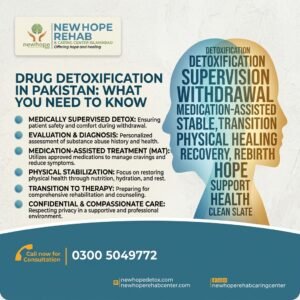
Others can have life-threatening withdrawal complications. Medically supervised withdrawal management may be required based on the substance and physical health of the person.

Detox is helpful in addressing the physical ramifications of ending substance use, but it is not a comprehensive addiction or mental health treatment.

Counseling and Behavioral Therapy

Psychotherapy can also raise users’ awareness about the connection of their thoughts, emotions and behaviors and substance use.

Evidence-informed techniques such as cognitive-behavioral strategies may provide assistance with:

  • Managing cravings
  • Identifying triggers
  • Challenging unhealthy thought patterns
  • Improving coping skills
  • Managing stress
  • Strengthening motivation for recovery

Mental Health Treatment and Medication

Many sufferers also have coexisting conditions that need psychiatric treatment and can be managed through medical prescriptions. Medications should be prescribed according to an individual patient diagnosis, medical history, current substance use, and other clinical issues.

By beneficial guide injection shall be only taken according to approved determination conducted by a respectable board. This also should not be initiated, discontinued or changed without suitable medical assistance.

It can give you a well-rounded treatment plan and make sure that mental health symptoms are not neglected as they begin to tackle addiction.

The Role of Family Support

Families also suffer significantly from stress when addiction and mental health problems are involved. Family and friends may feel confused, scared, angry or lost as to what to do.

Family education has raised awareness, which helps decrease blame and stigma and promotes better dialogue.

Families can support recovery by:

  • Encouraging professional treatment
  • Learning about co-occurring disorders
  • Communicating calmly and respectfully
  • Establishing healthy boundaries
  • Supporting treatment appointments
  • Watching for significant behavioral changes
  • Encouraging healthy routines
  • When Safety as Concerns Invoke Seeking Professional Guidance

Appropriately, family assures themselves emotionally as well.

Relapse Prevention in Dual Diagnosis Recovery

Both addiction and mental health may need to be treated long term in recovery. Cravings and relapses can be prompted by emotional fallout, pressure situations, social conflict, or contact with previously drug-using settings.

A relapse-prevention plan may include:

  1. Continuing counseling
  2. Regular mental health follow-up
  3. Taking prescribed medication appropriately
  4. Identifying personal triggers
  5. Developing healthy coping strategies
  6. Building a reliable support network
  7. Keeping a regular sleep and daily routine
  8. Avoiding high-risk environments
  9. Seeking professional help when symptoms exacerbate

A return to drug use does not signify that treatment has failed. This can mean that more support is needed to take another look at the recovering plan of that person.

How to Select a Dual Diagnosis Treatment Center in Pakistan

As families search Dual Diagnosis Treatment in Pakistan, they want to ensure that the needs of the whole person are met — whether that requires addressing substance use and mental health issues together in one facility.

Useful questions to ask include:

  • Is a comprehensive assessment available?
  • Are withdrawal risks evaluated?
  • Q4: Can co-occurring conditions such as addiction and mental health be treated together?
  • Is individual counseling provided?
  • When it is warranted, is psychiatric support available?
  • Is family involvement encouraged?
  • Is there training on relapse prevention?
  • Can you have continuity of care after the initial treatment phase?

Those seeking a structured rehabilitation programmed for an addiction and/or treatment for mental health issues in Islamabad may wish to consider New Hope Rehab and Caring Centre Islamabad

Frequently Asked Questions

1.     What does dual diagnosis mean?

You were a dual diagnosis: the simultaneity of substance uses disorder and mental health condition. These conditions may interact with one another and often need to be treated together.

2.     Drug Addiction Is A Threat To Mental Health

Many maintain or exacerbate mental health problems, and substance use, both intoxication as well as withdrawal can impact thoughts, feelings (including depression), behavior, and sleep. A detailed analysis is required to identify the deep-rooted reasons.

3.     Specifically, when depression and the addiction itself happen together.

Yes. Depression coexists with substance use disorders. When they do, treating both conditions as dimensions of a single coordinated treatment plan may yield richer quality care.

4.     Are dual diagnosis treatment programs sufficient for detox?

Answer: No – Detox is designed to focus on the physical process of withdrawal. Those with co-occurring circumstances also qualify for counseling, mental health treatment, behavioral remedy, relapse prevention and continuing care.

5.     What is the duration of dual diagnosis treatment?

The treatment duration is variable. The timeline involves the specific substance, degree of addiction, mental health, physical health, adherence to treatment and follow-up needs.

Conclusion

This process is referred to as Dual Diagnosis Treatment in Pakistan and it offers an integrated approach for individuals suffering from both addiction and mental health problems. Since such conditions can coexist and affect each other, focusing on either substance use or psychological symptoms alone may fail to resolve important determinants of recovery.

Such plans may consist of medical evaluation, withdrawal management, behavioral therapy, counseling or family involvement and long-term follow-up.

If you are struggling with an addiction along with mental health issues or if someone you love is facing this situation, reach out to a qualified healthcare or addiction professional about the best course of treatment. New Hope Rehab & Caring Centre Islamabad is a facility in Pakistan that offers organized support for people and families who are searching for addiction and mental health recovery services there.

Related Article

Dual Diagnosis Treatment in Pakistan: Key Steps for Addiction and Mental Health Recovery
Dual Diagnosis Treatment

Dual Diagnosis Treatment in Pakistan: Key Steps for Addiction and Mental Health Recovery

The treatment of both the substance use disorder and a mental health condition is called dual diagnosis. They impact each other and they are made worse rather than better by treating them separately. Someone struggling with addiction could also an ongoing battle against depression, anxiety, trauma symptoms, bipolar disorder or some other mental illness. Addiction treatment is effective care if it looks beyond just addiction and treats the person (or client) holistically. Medical assessment, withdrawal management, counseling, behavioral therapies, psychiatric care, family support and relapse prevention may serve as possible treatment. In New Hope Rehab and Caring Centre Islamabad in addition we provide structured programs for the ones suffering from addiction on an individual level but also a family rehabilitation program to assist with treatment as well for any concerns around mental wellbeing. What Is Dual Diagnosis? Co-occurring disorder: Dual diagnosis or Co-occurring refers to a situation where an individual has a comorbid mental health and substance use disorder. Substance use can include different types of drugs, including alcohol, heroin, methamphetamine, cannabis, cocaine or opioids like prescription medicines and other addictive substances. Depression, anxiety disorders, post-traumatic stress disorder (PTSD), bipolar disorder and other psychiatric problems are all considered mental health conditions. That relationship between the two conditions may be different. Mental health symptoms can be present before the onset of substance use, appear during chronic use or worsen in relation to intoxication or withdrawal. An evaluation can ascertain the issues at play and indicate the best plan of care. Reasons Addiction Co-Occur with Mental Health Problems It is well-known that very few people have just one cause when it comes to co-occurring addiction and mental health. Biological, psychological, social and environment may be involved. Self-Medication and Emotional Pain Others develop problems with drugs or alcohol as a means of dealing with anxiety, sadness, trauma, loneliness, insomnia, or other emotional challenges. While a substance can provide momentary escape from unpleasant symptoms, continued use can lead to features of dependence which, at least in the long term, may exacerbate psychological symptoms. Substance-Induced Mental Health Symptoms Some substances can alter mood, affect sleep, and impact the ability to think and perceive. Some people may have anxiety, agitation, confusion or psychotic symptoms associated with stimulants like methamphetamine. Going off heroin, for instance, is associated with very extreme fluctuations in mood and behavior. Shared Risk Factors Many risk elements may be common across addiction and mental well-being conditions together with: continual stress, trauma, social isolation, family background and terrible life events. These factors, which may overlap, can lead to a greater vulnerability to either disorder. Signs That Could Mean a Dual Diagnosis And it can be easy to confuse alcoholism with mental illness. Possible warning signs include: Persistent sadness or hopelessness Severe or ongoing anxiety Major mood changes Social withdrawal Changes in sleep or appetite Unusual suspiciousness or paranoia Difficulty controlling substance use Ancient civilizations in order to manage emotions Deterioration of job, academic or family functioning Delirium or a psychological symptom that lasts longer than intoxication or withdrawal Having these symptoms does not equate to a dual diagnosis. This should be assessed properly by a qualified professional. How Dual Diagnosis Treatment in Pakistan Functions Treatment is individualized based on the individual’s substance use, mental health, physical health, safety needs, and recovery goals. Comprehensive Assessment Normally treatment starts with an assessment of substance abuse and psychological wellbeing. Professionals may review: Substance use history Previous treatment Withdrawal experiences Current medications Physical health Mood and behavior Sleep patterns Trauma history Family and social circumstances A thorough evaluation can determine whether a psychologic disorder stands on its own or an interplay of symptoms directly due to (or exacerbated by) substance use. Withdrawal and Medical Support Others can have life-threatening withdrawal complications. Medically supervised withdrawal management may be required based on the substance and physical health of the person. Detox is helpful in addressing the physical ramifications of ending substance use, but it is not a comprehensive addiction or mental health treatment. Counseling and Behavioral Therapy Psychotherapy can also raise users’ awareness about the connection of their thoughts, emotions and behaviors and substance use. Evidence-informed techniques such as cognitive-behavioral strategies may provide assistance with: Managing cravings Identifying triggers Challenging unhealthy thought patterns Improving coping skills Managing stress Strengthening motivation for recovery Mental Health Treatment and Medication Many sufferers also have coexisting conditions that need psychiatric treatment and can be managed through medical prescriptions. Medications should be prescribed according to an individual patient diagnosis, medical history, current substance use, and other clinical issues. By beneficial guide injection shall be only taken according to approved determination conducted by a respectable board. This also should not be initiated, discontinued or changed without suitable medical assistance. It can give you a well-rounded treatment plan and make sure that mental health symptoms are not neglected as they begin to tackle addiction. The Role of Family Support Families also suffer significantly from stress when addiction and mental health problems are involved. Family and friends may feel confused, scared, angry or lost as to what to do. Family education has raised awareness, which helps decrease blame and stigma and promotes better dialogue. Families can support recovery by: Encouraging professional treatment Learning about co-occurring disorders Communicating calmly and respectfully Establishing healthy boundaries Supporting treatment appointments Watching for significant behavioral changes Encouraging healthy routines When Safety as Concerns Invoke Seeking Professional Guidance Appropriately, family assures themselves emotionally as well. Relapse Prevention in Dual Diagnosis Recovery Both addiction and mental health may need to be treated long term in recovery. Cravings and relapses can be prompted by emotional fallout, pressure situations, social conflict, or contact with previously drug-using settings. A relapse-prevention plan may include: Continuing counseling Regular mental health follow-up Taking prescribed medication appropriately Identifying personal triggers Developing healthy coping strategies Building a reliable support network Keeping a regular sleep and daily routine Avoiding high-risk environments Seeking professional help when symptoms exacerbate A return to drug use does not signify that treatment has failed. This can mean that

Heroin Addiction in Pakistan: Important Signs, Serious Effects and Effective Treatment Options
Heroin Addiction

Heroin Addiction in Pakistan: Important Signs, Serious Effects and Effective Treatment Options

Heroin is a powerful opioid that can cause dependence and addiction, affecting a person’s physical health, mental well-being, relationships, and ability to manage everyday responsibilities. Heroin Addiction in Pakistan is a serious health concern that can affect individuals from different ages and backgrounds. Recognizing the signs early can make it easier for families to seek professional support. Treatment may include medical assessment, withdrawal management, counseling, behavioral therapy, medication when clinically appropriate, family involvement, and long-term relapse prevention. New Hope Rehab and Caring Centre Islamabad provides structured support for individuals and families dealing with substance use and recovery. What Is Heroin Addiction? Heroin is an opioid made from morphine. It can produce feelings of relaxation, pleasure, and drowsiness. Repeated use can cause the brain and body to adapt to the drug, leading to tolerance and physical dependence. Addiction develops when a person has difficulty controlling heroin use and continues taking it despite harmful consequences. Common signs may include: Strong cravings for heroin Increasing tolerance Spending considerable time obtaining or using heroin Neglecting work, education, or family responsibilities Changes in friendships or social activities Financial difficulties Secretive or unusual behavior Repeated attempts to stop without lasting success Withdrawal symptoms when heroin use is reduced or stopped These signs can vary from person to person, so a professional assessment is important. Signs of Heroin Addiction to Watch For Families may notice physical, behavioral, or emotional changes. Physical Signs Possible physical signs include: Extreme drowsiness Slowed movements Small or pinpoint pupils Nausea or constipation Itching or sweating Changes in appetite or weight Marks associated with injection use Frequent health problems A person experiencing opioid intoxication may appear unusually sleepy or difficult to wake. Behavioral and Emotional Signs Changes in behavior can sometimes become more noticeable than physical symptoms. Someone may withdraw from family activities, miss work or school, borrow money frequently, or become secretive about their activities. Mood changes, irritability, anxiety, and loss of interest in previously enjoyable activities may also occur. Effects of Heroin Addiction on the Body Long-term heroin use can affect several areas of health. Possible complications include respiratory problems, constipation, infections, cardiovascular complications, poor nutrition, and other health difficulties. Injection use can carry additional risks, including infections and transmission of blood-borne diseases when needles or other equipment are shared. Heroin can also cause overdose by slowing breathing. Overdose risk is particularly concerning when heroin is combined with other central nervous system depressants or when tolerance has decreased after a period of abstinence. Effects on Mental Health and Daily Life Heroin addiction doesn’t only affect the body. It can interfere with mood, motivation, concentration, relationships, employment, education, and financial stability. Some people experience depression, anxiety, social isolation, or emotional distress alongside opioid addiction. When addiction and a mental health condition occur together, an integrated treatment approach may be useful. Addressing both concerns can help create a more complete recovery plan. Heroin Withdrawal and Detoxification When a person who is physically dependent on heroin suddenly stops using it, withdrawal can develop. Symptoms may include: Muscle and body aches Sweating Restlessness Runny nose Abdominal cramps Nausea or vomiting Diarrhea Anxiety and irritability Insomnia Strong cravings Opioid withdrawal is usually not fatal by itself, but it can be severe and difficult to manage. Returning to opioid use after detox can also be dangerous because tolerance may have decreased, increasing the risk of overdose. Professional assessment can help determine the safest approach to withdrawal management. Heroin Addiction Treatment in Pakistan Effective treatment should be individualized rather than based on a one-size-fits-all program. Medical Assessment Treatment commonly begins with an assessment of substance use, physical health, mental health, medications, previous treatment, and withdrawal history. The results can help determine the appropriate level of care. Medication and Withdrawal Management For opioid use disorder, certain evidence-based medications can reduce withdrawal symptoms and cravings and support recovery when prescribed and monitored by qualified healthcare professionals. Medication decisions should be based on an individual’s medical needs and should never involve self-medication. Counseling and Behavioral Therapy Counseling helps people understand the patterns behind substance use and develop healthier ways to manage stress and cravings. Behavioral approaches can focus on: Identifying triggers Managing cravings Improving decision-making Building coping skills Addressing harmful thought patterns Strengthening motivation for recovery Treatment can also address practical issues involving family, work, education, and social relationships. The Role of Family Support Heroin addiction can place considerable pressure on families. Loved ones may experience fear, anger, guilt, or confusion. Family members can support recovery by encouraging professional care, learning about opioid addiction, communicating respectfully, and establishing appropriate boundaries. They can also encourage continued treatment after withdrawal management rather than viewing detox as the end of recovery. Family education can help reduce stigma and create a healthier environment for long-term change. Relapse Prevention and Long-Term Recovery Recovery continues after the initial treatment period. Cravings can return during periods of stress or after exposure to people, places, or situations associated with previous drug use. A relapse-prevention plan may include: Continuing counseling Following prescribed treatment Identifying high-risk situations Developing healthy daily routines Building supportive relationships Avoiding environments associated with drug use Managing stress in healthier ways Attending follow-up appointments Seeking professional help quickly when cravings increase A return to heroin use should be taken seriously because overdose risk can be high after tolerance has fallen. It can also be a reason to review and strengthen the treatment plan. How to Choose a Heroin Treatment Center Families searching for Heroin Addiction in Pakistan treatment should look for a provider that prioritizes patient safety, individualized care, professional assessment, and continuing support. Before selecting a facility, consider asking: Is there a complete medical assessment? How is opioid withdrawal managed? Are evidence-based medications available when appropriate? Is counseling provided? Are mental health concerns assessed? Is family support available? Does the program include relapse prevention? Is aftercare provided? How are emergencies handled? New Hope Rehab and Caring Centre Islamabad can be considered by individuals and families seeking structured addiction treatment and recovery support in Islamabad. Frequently

Dual Diagnosis Treatment in Pakistan: Powerful Steps for Addiction and Mental Health Recovery
Dual Diagnosis Treatment

Dual Diagnosis Treatment in Pakistan: Powerful Steps for Addiction and Mental Health Recovery

Dual Diagnosis Treatment All over the Pakistan This treatment is meant for persons dealing with Drug and alcohol abuse problem along with a mental disorder. The mentioned problems can be present in co-occurrence and may depend on one another. Such as a person with depression may start using drugs and/ or alcohol to escape psychological distress, then continued substance use can contribute to increased anxiety, depression, or other mental health symptoms. Focusing on only one issue can ignore critical aspects of recovery. Synergizing gives us the opportunity to treat addiction in conjunction with mental health. Whatever the case may be, we at New Hope Rehab and Caring Centre Islamabad provide structured support to individuals and families looking for help with substance use and related psychological concerns. What Is a Dual Diagnosis? A dual diagnosis, or co-occurring disorder, is when someone has both a substance use disorder as well as a mental health disorder. Substance-related problems can involve: Alcohol Heroin and other opioids Methamphetamine or crystal meth Cannabis Cocaine Prescription medications Other addictive substances Mental health problems may be grouped illnesses like depression, anxiety disorders, trauma and post-trauma disorder, bipolar disorder or other mental illness. The relationship isn’t always straightforward. The mental health symptoms can present prior to, subsequent to or overlapping with substance use. It is thus requiring a cautious professional analysis. Why Do Addiction and Mental Health Issues Happen Together? There are many reasons why co-occurring disorders may exist. Any number of factors can be at work, including genetics, chemistry of the brain, trauma and stressors in the environment, and other personal circumstances. Self-Medication and Emotional Distress There are those who use substances as a remedy whenever sadness, anxiety, insomnia, traumatic memories or different unpleasant emotions hit them. Even if a compound can temporarily alleviate, reliance on repeated use only amplifies the problem. Substance-Induced Symptoms Some medication can invoke or exacerbate psychiatric symptoms. Stimulants in particular can directly trigger anxiety, agitation, paranoia or psychotic symptoms in certain individuals. Major alterations in mood and behavior can also occur when one stops taking drugs (known as withdrawal). Shared Risk Factors Addictions and mental health disorders do share risk factors, including childhood trauma, chronic stress, social isolation and family history. This may be why the two conditions are more likely to (co)-occur. When to Seek Dual Diagnosis Care Following that, identifying a co-occurring issue is never an easy task. Moods, Sleep, Thoughts and Behavior Effects of Drug It can change Mood, Sleep, Thinking &Behavior. Potential warning signs include: Persistent sadness or hopelessness Severe anxiety or panic Major mood changes Social withdrawal Sleep disturbances Paranoia or unusual beliefs Using substances repeatedly specifically to cope with an emotion Inability to stop using drugs or drinking alcohol Family dysfunctionrelated working, or educational status Life dysfunction and problems which are ongoing even when they aren’t intoxicated An assessment with a professional will help clarify what is going on and the type of treatment indicated. How Does Dual Diagnosis Treatment in Pakistan Work? Effective care should be individualized. For this reason, the treatment process often starts with a thorough assessment of co-occurring substance use and mental health disorder. Assessment and Diagnosis Substance use history (patterns of use, withdrawal history), physical health, medication review and monitoring, mental state (mood) & sleep patterns; trauma / abuse history; behavior issues. It also serves to identify whether they have a second mental health condition that is independent from their substance use or, conversely, symptoms due to the use of substances either directly (by/toxicity) or indirectly (i.e. worsening an existing condition). Medical and Withdrawal Management Certain medications can lead to severe or even fatal withdrawal side effects. Some substances, as well as personal risk factors dictate the need for medically supervised withdrawal management. Although detoxification helps with the physical aspect of stopping substance use, it is only one aspect of back into recovery. Psychological Treatment Counseling and behavioral therapies teach people how to understand their triggers and develop healthier coping skills. Cognitive-behavioral strategies may assist individuals with awareness of unhelpful thoughts and behaviors while discovering effective techniques to cope with cravings, stress, and negative feelings. Medication When Clinically Appropriate Prescribed medication can help with some mental health or substance use disorders. Because of this, medication should be prescribed by someone qualified to assess the individual based upon their diagnosis, medical history, current substance uses and any other treatments being received. No medication should ever be commenced, stopped or changed without suitable medical advice. The Importance of Integrated Treatment One of the key advantages of dual diagnosis treatment is that you can have addiction and mental health issues treated at the same time as part of an integrated plan. Someone who is recovering from methamphetamine use (and experiences anxiety and/or paranoia) may benefit from being on serotonin reuptake inhibitors. Focusing on the substance abuse without treating chronic post-traumatic symptoms may actually complicate recovery efforts. Integrated care can focus on: Reducing harmful substance use Managing mental health symptoms Developing healthy coping skills Improving daily functioning Strengthening relationships Preventing relapse Supporting long-term recovery Dual Diagnosis Recovery: Family Support Families can have important challenges related to mental health and addiction problems. Relatives will wonder why anyone continues using even when it is plain to all that they have lost a job or destroyed a family. Education can replace blame with a more informed understanding of both addiction and mental health. Family members can help the recovery process by doing the following: Encouraging professional treatment Communicating calmly Learning about co-occurring disorders Setting clear and healthy boundaries Supporting treatment appointments Watching for changes in behavior Taking warning signs seriously Taking care of one’s own mental health A positive family life can be a great supplement to therapeutic support, but it is not an alternative. Relapse Prevention and Long-Term Care Dual diagnosis recovery is most often an ongoing process because both substance-related triggers and mental health symptoms may change over time. A relapse-prevention plan may include: Continued counseling Mental health follow-up Medication management when prescribed Identifying emotional and

Drug Detoxification in Pakistan — What You Should Know to Get Well
Drug Addiction

Drug Detoxification in Pakistan — What You Should Know to Get Well

When a person decides to stop taking an addictive substance, drug detoxification is often the first significant step. Drug Detoxification in Pakistan aids in the managing of withdrawal whilst your body repairs itself and become adjusted to living with less or no substance. But detox is more than just halting drugs. Withdrawal can range from uncomfortable to medically dangerous, depending on the substance and how long it has been used, as well as the health of the person. Safe detox starts with proper assessment followed by matching addiction treatment. New Hope Rehabilitation | Caring Centre Islamabad offers structure for people and families who are working to overcome substance use as a means of recovery. What Is Drug Detoxification? Drug detoxification, simply known as addiction detox, refers to the complete procedure of clearing a substance from the body while monitoring and managing withdrawal symptoms. With regular use, the body & brain adapts to that presence of drugs. And thus, abruptly discontinuation can lead to not just physical but also psychological symptoms. Common withdrawal symptoms can include: Anxiety and irritability Sweating and shaking Nausea or vomiting Muscle aches Headaches Sleep problems Changes in appetite Strong drug cravings Low mood or restlessness The type and severity of withdrawal is very much dependent on the substance. Why Professional Assessment Matters Our detoxes are not the same for everyone. A healthcare provider may assess the substance used, the amount and frequency of use, past withdrawal experiences, physical health, mental health status and other medications. This evaluation determines whether an individual can get care through an outpatient program or whether they require residential or medically supervised treatment. The Medical Necessity of Drug Detoxification Certain types of withdrawal can even become serious. Long-term use of alcohol and some sedating drugs, such as benzodiazepines, can lead to potentially life-threatening withdrawal syndromes if their use is suddenly terminated. Opioid withdrawal (opioid withdrawal syndrome), e.g. withdrawal from heroin or other opioids, is usually not immediately life-threatening in itself but can be severe and increase the risk of opioid relapse. Tolerance can drop during an opioid-free period, meaning someone who relapses by returning to a dosage they previously took could overdose. Methamphetamine, for example, produces a severe “crash” marked by fatigue, sleep deprivation, movement changes and depression — not to mention significant cravings. Long story short, the potential danger in detoxing alone. What is Drug Detoxification — What Happens During Drug. The detox process is unique to the individual and the drug in question. There could be multiple phases to the professional way in a program seniormost. Initial Medical and Psychological Assessment They may go over the following prior to withdrawal management beginning: Substance use history Current medications Physical health Mental health symptoms Previous treatment experiences Withdrawal history Risk of complications The data guides what is developed for an individual plan. Withdrawal Monitoring Staff will monitor symptoms and overall health during detox. To detect complications early and to provide suitable supportive care. In certain situations, medications can be used to address withdrawal or help avoid cravings. The choice is determined by the substance, personal history, and clinical judgement. Emotional and Psychological Support Detox can be emotionally difficult. This is easier said than done when anxiety, irritability, low mood and cravings are mixed in with the fact you have no idea what to do about work in future. Supportive counseling can guide a person to understand what they are experiencing and how to prepare for the next step in recovery. Addiction treatment is not detox A big thing to get about Drug Detoxification in Pakistan is that detox does not address the addiction itself. Detox refers to the physical process of quitting or reducing the number you use. Addiction treatment focuses on the underlying causes of addiction like trauma or mental illness and certain behaviors that lead to continued use. Following detox, the treatment and aftercare may include: Individual counseling Behavioral therapy Group support Mental health treatment Family counseling Craving-management strategies Relapse-prevention planning Continuing or aftercare support If the follow-up is not done and properly executed, the subject could stay with very good chances of return to use. The Importance of Dual Diagnosis Treatment Co-occurring disorders include depression, anxiety, trauma-related conditions or other mental health concerns in addition to substance use disorders. In this situation, both diseases should be addressed in treatment. An example could be that an individual uses drugs to cope with mental distress, and the drug use itself is making their mental health worse. Pinpointing these problems is the key to a more comprehensive recovery strategy. Provide Family Support During Detox and Recovery It is not just individuals — families are also impacted by addiction. Family members may feel anxious, angry and confused as to how best to respond. Family members may be supportive in the following ways: Encouraging professional care Avoiding judgment and unnecessary confrontation Learning about addiction and withdrawal Supporting healthy routines Maintaining appropriate boundaries Watching for warning signs Encouraging continued treatment after detox Something families need to keep in mind is that offering support does not mean doing everything for them in their recovery. The Way to Choose a Drug Detox Center in Pakistan Deciding on a detoxification facility is certainly not an easy task. An appropriate provider should focus on safety, individualized assessment and professional monitoring, and ongoing treatment rather than a quick fix. Families may ask before selecting a facility: Is medical assessment available? How are withdrawal symptoms monitored? Is a mental health program addressed in the program? What happens after detox? Is counseling included? Is family support available? Relapse Prevention Neal — what is the plan? How are emergencies handled? Those seeking structured addiction and detox-related treatment options can consider a center like New Hope Rehab and Caring Centre Islamabad for themselves or their loved ones. Frequently Asked Questions 1.     Is drug detoxification safe? Detox is the safe place when treated with the right level of supervision. The safety of detoxing off particular substances, the risk of withdrawal, medical history and personal