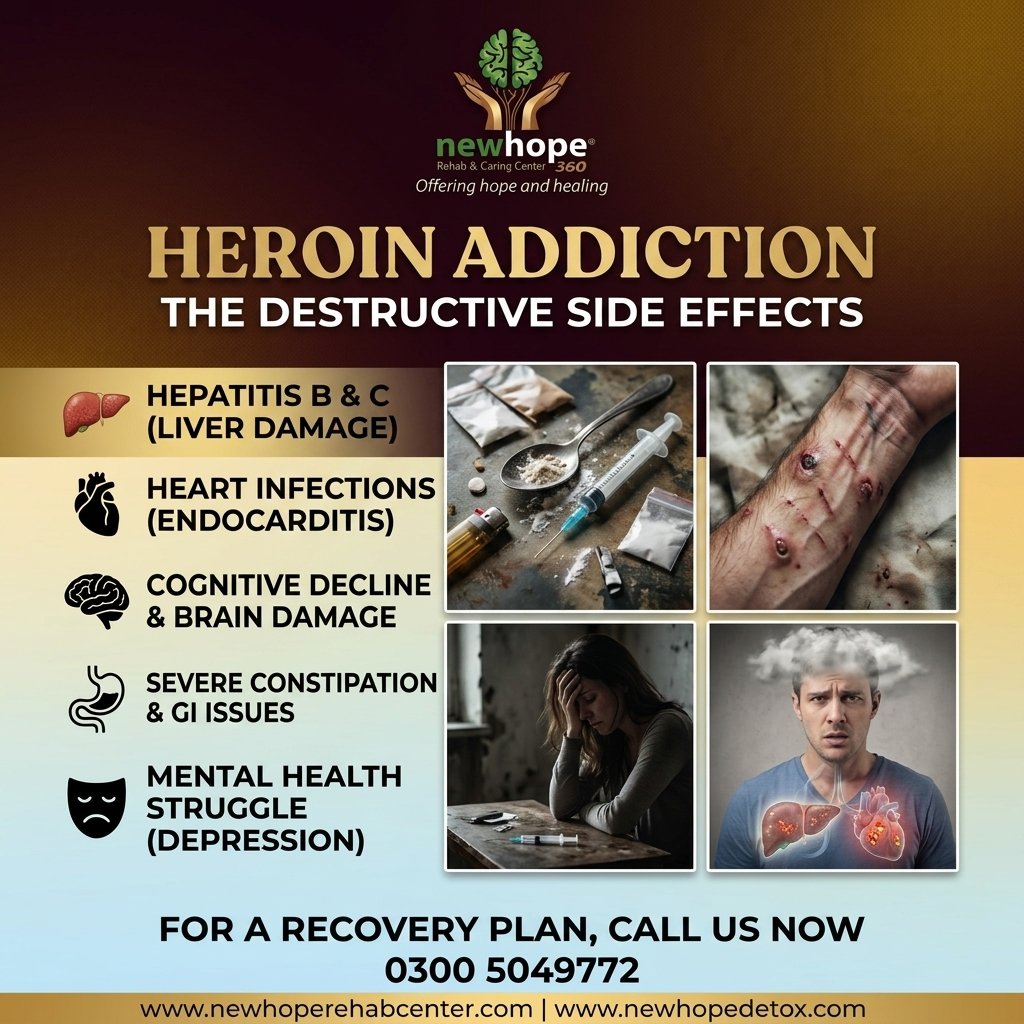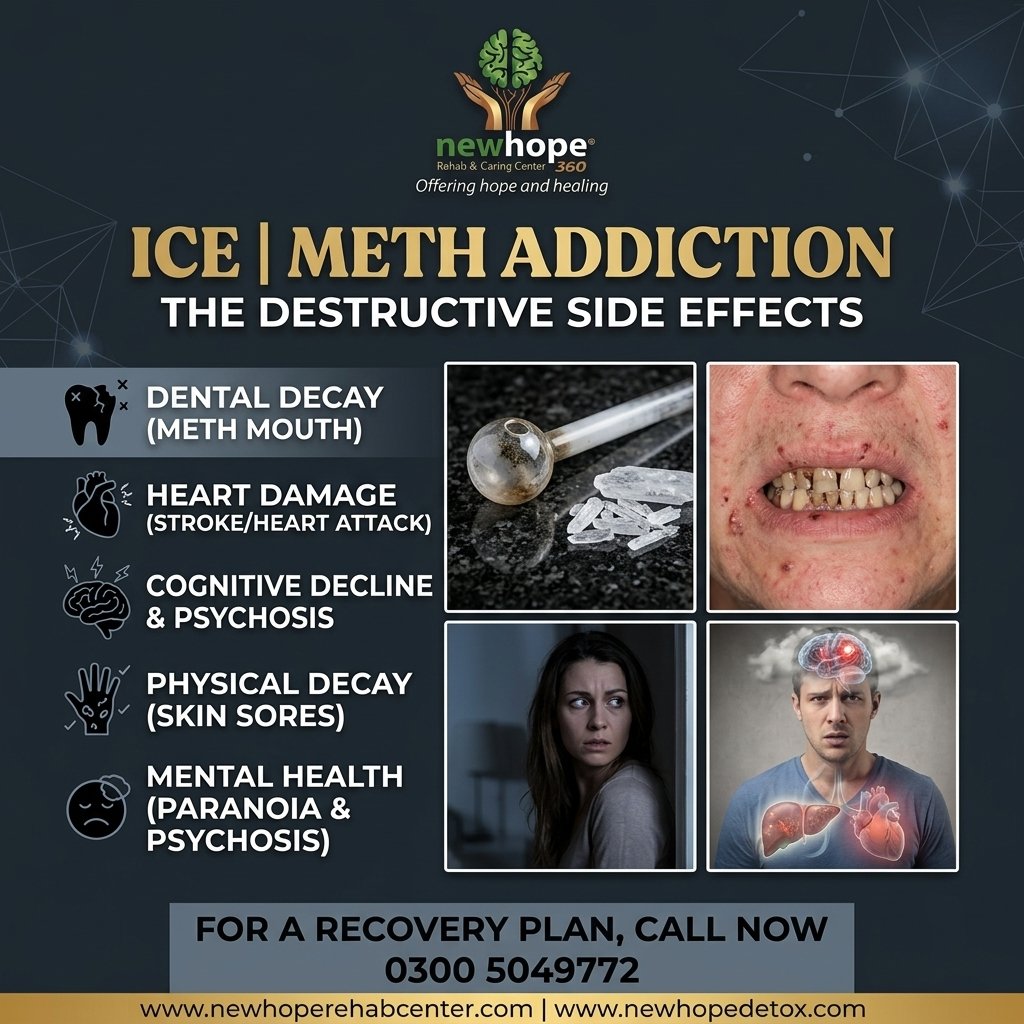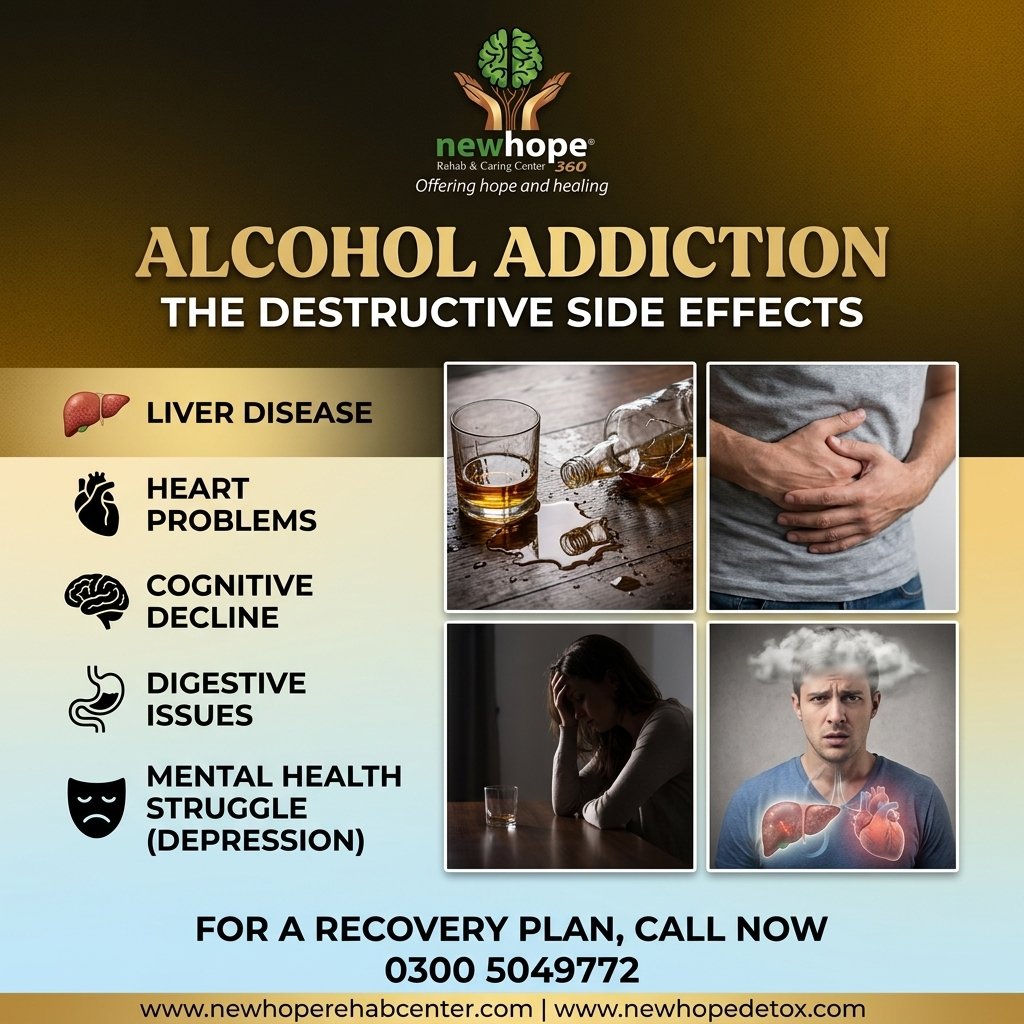
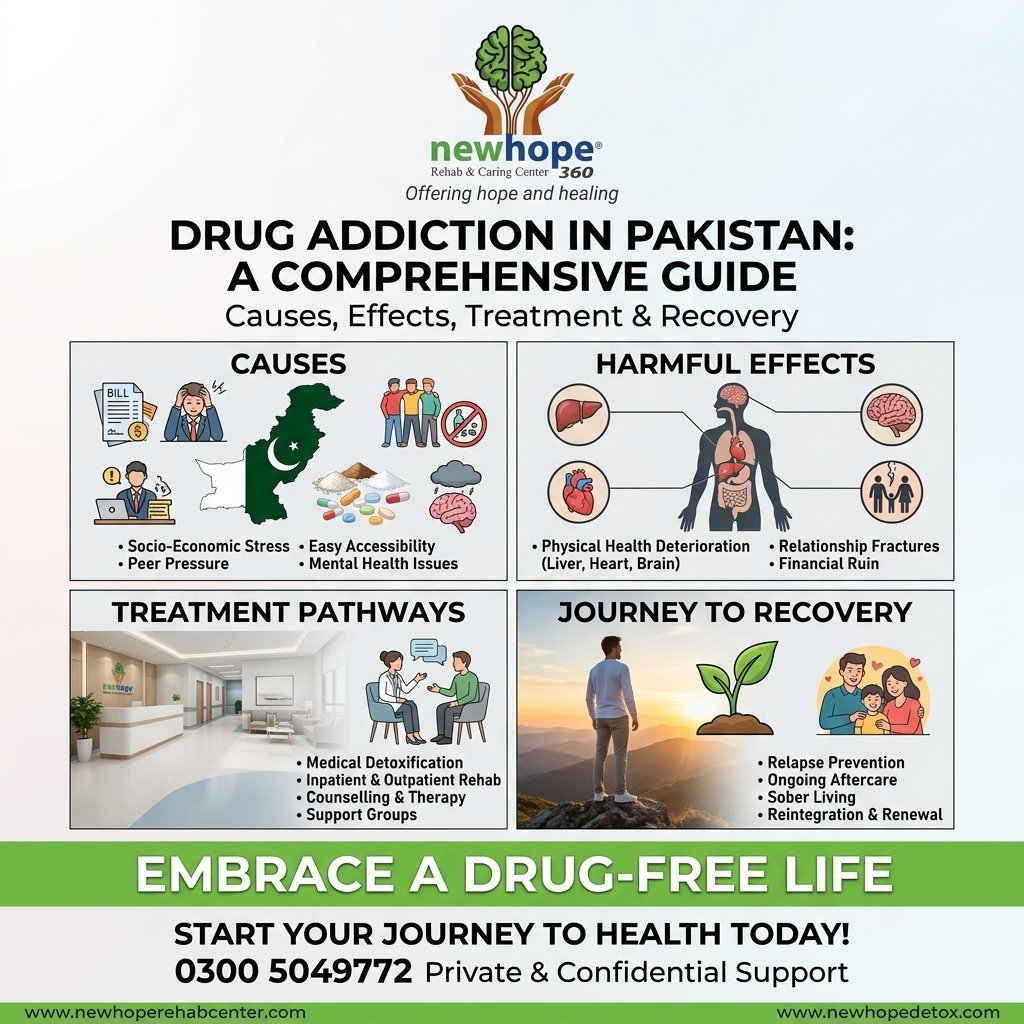
Drug addiction is a serious health and social concern that can affect people of every age and background. Drug Addiction in Pakistan can involve substances such as heroin, methamphetamine, cannabis, opioids, cocaine, prescription medicines, and other addictive drugs. Continued substance use can affect the brain and body while also creating problems at home, at work, in education, and within the wider community.
Addiction is not simply a lack of willpower. It is a complex health condition that can involve changes in brain function, mental health, environment, and behavior. With professional treatment and ongoing support, many people can make meaningful progress toward recovery.
What Is Drug Addiction?
Drug addiction, also called a substance use disorder, occurs when a person continues using a substance despite harmful consequences. The person may develop strong cravings, lose control over use, or spend increasing amounts of time obtaining and using the drug.
Some common warning signs include:
- Strong or frequent cravings
- Increasing tolerance
- Withdrawal symptoms after stopping or reducing use
- Neglecting family, work, or education
- Financial or legal problems related to substance use
- Changes in behavior or social circles
- Repeated unsuccessful attempts to stop
- Continued use despite physical or psychological harm
Recognizing these signs early can encourage a person or family to seek professional help.
Causes of Drug Addiction in Pakistan
There isn’t one single cause of addiction. Usually, several personal, psychological, social, and environmental factors interact.
Peer Pressure and Social Influence
Young people may experiment with drugs because of peer pressure or a desire to fit into a particular social group. Easy exposure to substance use can make experimentation more likely.
Stress, Trauma and Mental Health
Chronic stress, trauma, depression, anxiety, and other mental health difficulties can increase vulnerability to problematic substance use. Some individuals initially use drugs as an attempt to escape emotional distress.
Family and Environmental Factors
Family conflict, poor supervision, social instability, and exposure to substance use can contribute to risk. A supportive family environment, on the other hand, can become an important protective factor.
Availability and Accessibility
The availability of addictive substances can influence patterns of use. Prescription medicines can also become problematic when they are misused or taken without appropriate medical supervision.
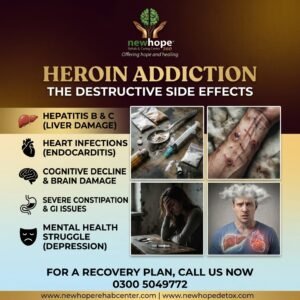
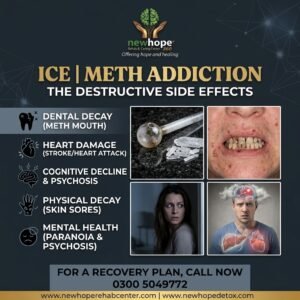
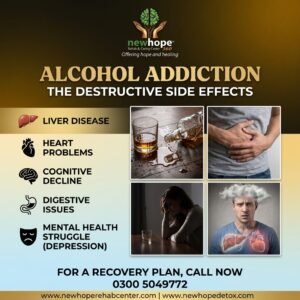
Effects of Drug Addiction on Health
The effects of drugs depend on the substance, dose, frequency of use, method of administration, and the person’s overall health.
Possible physical effects include:
- Sleep disturbances
- Appetite and weight changes
- Heart and blood-pressure problems
- Liver or kidney complications
- Weakened physical health
- Increased risk of infections
- Accidental injuries
- Overdose
Some drugs can also cause severe psychological effects, including anxiety, depression, paranoia, confusion, or psychosis.
Effects on Families and Society
Addiction rarely affects only one person. Families may experience emotional stress, financial difficulties, conflict, and loss of trust. Education and employment may also suffer.
For this reason, effective addiction treatment benefits not only the individual but also their family and community.
Drug Addiction Treatment in Pakistan
Treatment should be based on an individual’s substance use, physical condition, mental health, family circumstances, and recovery goals.
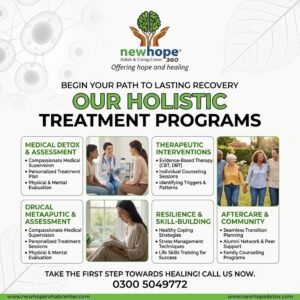
A professional treatment plan may include several stages.
Assessment and Diagnosis
The first step is usually a comprehensive assessment. Healthcare professionals may evaluate substance use patterns, withdrawal risks, physical health, psychological symptoms, and other factors that could affect treatment.
This assessment helps determine whether outpatient, residential, or medically supervised care is most appropriate.
Detoxification and Withdrawal Management
Some substances can produce significant withdrawal symptoms when use is stopped suddenly. Depending on the substance and the person’s health, withdrawal may require medical monitoring and, in some cases, medication.
Detoxification is important for managing withdrawal safely, but detox alone isn’t a complete addiction treatment. Continuing care is often needed to address cravings, behaviors, mental health, and relapse risks.
Counseling and Behavioral Therapy
Counseling can help individuals understand why they use drugs and identify situations that increase cravings. Evidence-informed behavioral therapies can teach practical skills for managing triggers, stress, and high-risk situations.
Treatment may include individual counseling, group support, motivational approaches, and cognitive behavioral strategies.
Dual Diagnosis and Mental Health Care
Some people with addiction also experience depression, anxiety, trauma-related disorders, or other psychiatric conditions. This is sometimes described as a co-occurring disorder or dual diagnosis.
Treating both conditions together can be important. If underlying mental health problems remain unaddressed, they may continue to create challenges during recovery.
A comprehensive program should therefore consider emotional and psychological health alongside substance use.
Family Support During Recovery
Family involvement can make a meaningful difference when it is handled in a healthy and informed way.
Families can support recovery by:
- Encouraging professional treatment
- Learning about addiction and relapse
- Maintaining respectful communication
- Setting appropriate boundaries
- Supporting healthy routines
- Avoiding behaviors that enable continued substance use
- Encouraging follow-up care
Family members may also benefit from counseling or educational support of their own.
Relapse Prevention and Long-Term Recovery
Recovery doesn’t end when a person completes detox or leaves a residential program. Addiction can involve long-term changes in behavior and brain function, so continued support may be necessary.
A relapse-prevention plan can include:
- Identifying personal triggers
- Avoiding high-risk environments
- Continuing counseling
- Building positive relationships
- Maintaining healthy sleep and exercise habits
- Learning stress-management techniques
- Attending follow-up appointments
- Seeking help quickly when cravings become difficult to manage
A return to substance use should be taken seriously, but it doesn’t mean recovery has failed. It can indicate that the treatment plan needs to be reviewed and strengthened.
Finding a Drug Rehabilitation Center in Pakistan
Choosing an addiction treatment center is an important decision. Families should look for professional, ethical, individualized care rather than promises of instant or guaranteed recovery.
Before selecting a facility, consider asking:
- Is there a medical and psychological assessment?
- Are withdrawal risks properly evaluated?
- Is counseling provided?
- Are co-occurring mental health conditions addressed?
- Is family involvement available?
- Does the program include relapse prevention?
- Is aftercare provided?
- How are medical or psychiatric emergencies handled?
New Hope Rehab and Caring Centre Islamabad provides structured addiction recovery support for individuals and families seeking professional help in Islamabad.
Frequently Asked Questions About Drug Addiction in Pakistan
1. What are the most common signs of drug addiction?
Strong cravings, loss of control over drug use, tolerance, withdrawal symptoms, neglect of responsibilities, and continued use despite harmful consequences are common signs.
2. Can drug addiction be treated successfully?
Yes. Addiction is treatable, although recovery can take time. Treatment may involve medical care, counseling, behavioral therapy, family support, and long-term relapse prevention.
3. Is detoxification enough to overcome addiction?
No. Detox can help manage withdrawal, but it doesn’t address all the psychological, behavioral, and social factors associated with addiction. Continuing treatment is often important.
4. How can families help someone with addiction?
Families can encourage professional treatment, learn about addiction, communicate calmly, establish healthy boundaries, and support ongoing recovery without enabling harmful behavior.
5. When should someone seek addiction treatment?
Treatment can be considered whenever drug use is becoming difficult to control or is causing problems with health, relationships, education, employment, finances, or safety. Earlier support can help prevent problems from becoming more severe.
Conclusion
Drug Addiction in Pakistan is a complex health issue that can affect individuals, families, and communities. Understanding its causes and effects can help reduce stigma and encourage people to seek appropriate care.
Treatment may involve assessment, withdrawal management, counseling, behavioral therapy, mental health support, family involvement, and relapse prevention. Recovery isn’t always a straight line, but professional support can provide structure, skills, and encouragement along the way.
If you or someone you care about is struggling with substance use, consider speaking with a qualified addiction or mental health professional. New Hope Rehab and Caring Centre Islamabad can be considered by individuals and families seeking structured addiction treatment and recovery support.