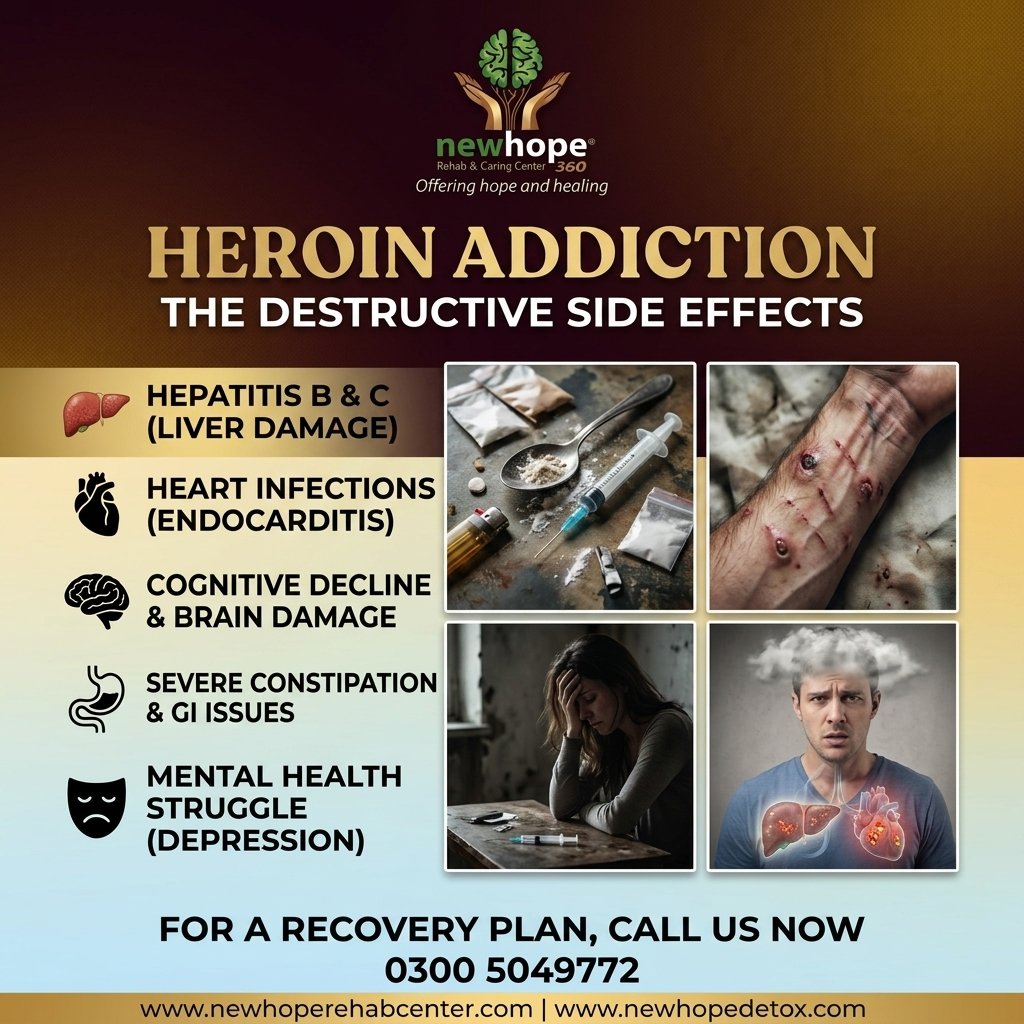
Heroin is a highly addictive opioid that can quickly affect a person’s physical health, mental well-being, relationships, and daily life. Heroin addiction may develop after repeated use as the brain becomes increasingly dependent on the drug. Over time, a person may continue using heroin even when they understand the serious harm it is causing.
Professional treatment can provide a safer and more structured path toward recovery. With appropriate medical assessment, counselling, psychological support, family involvement, and relapse-prevention planning, people struggling with heroin dependence can work toward healthier and more stable lives. New Hope Rehab and Caring Centre Islamabad provides structured support for individuals and families affected by substance use disorders.
What Is Heroin Addiction?
Heroin is an opioid derived from morphine. It can produce feelings of pleasure, relaxation, and drowsiness, but it also carries a high risk of dependence and overdose.
Repeated heroin use can lead to tolerance, meaning a person may need more of the drug to achieve the same effects. Dependence can also develop, causing withdrawal symptoms when heroin use is reduced or stopped.
Possible signs include:
- Strong cravings for heroin
- Increasing tolerance or dependence
- Spending significant time obtaining or using the drug
- Neglecting work, education, or family responsibilities
- Changes in friends or social activities
- Financial difficulties
- Continued use despite physical or emotional problems
- Withdrawal symptoms when heroin is unavailable
Recognizing these signs early can make it easier to seek professional help.
Why Does Heroin Dependence Develop?
Heroin affects brain systems involved in reward, pleasure, and pain. With repeated exposure, the brain can adapt to the drug, making it increasingly difficult for some people to stop without support.
Several factors may contribute to opioid addiction, including:
- Repeated or prolonged opioid exposure
- Mental health difficulties
- Trauma or chronic stress
- Social and environmental influences
- Family history of substance use disorders
- Previous substance use
- Limited access to healthy coping strategies
Addiction isn’t simply a matter of willpower. It is a complex health condition that can require comprehensive treatment.
Heroin Addiction Treatment in Islamabad, Pakistan
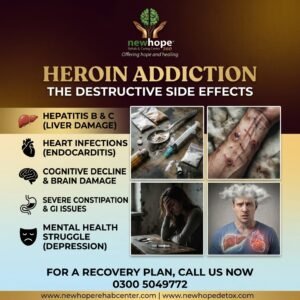
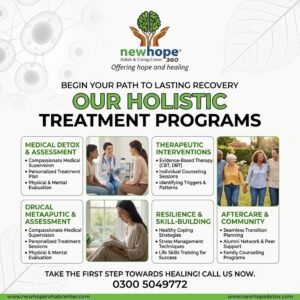
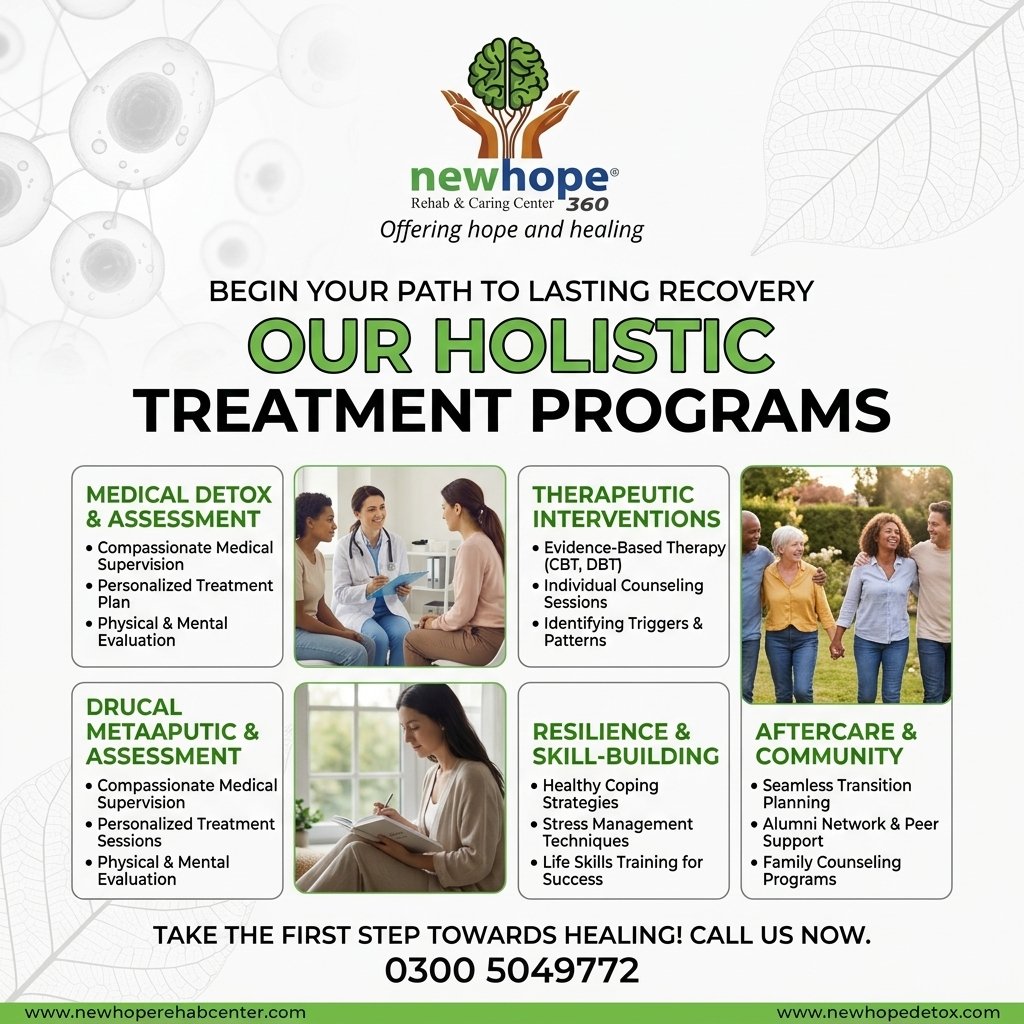
Treatment should be tailored to the individual’s medical, psychological, and social needs. A professional assessment can help determine the appropriate level of care.
Medical Assessment and Withdrawal Management
When someone who is physically dependent on heroin stops taking it, withdrawal can begin. Symptoms may include muscle aches, sweating, restlessness, nausea, diarrhea, abdominal cramps, anxiety, and strong cravings.
Although opioid withdrawal is often not life-threatening by itself, it can be extremely uncomfortable and may increase the risk of returning to opioid use. Medical professionals can assess withdrawal severity and determine whether medication-assisted treatment or other medical support is appropriate.
People with severe symptoms, significant health conditions, pregnancy, or other safety concerns may need a higher level of medical supervision.
Counseling and Behavioral Support
Stopping heroin use is only one part of recovery. Counseling can help individuals understand triggers, manage cravings, improve decision-making, and develop healthier ways to cope with stress.
Therapeutic approaches may include cognitive behavioral strategies, motivational interventions, individual counseling, and other evidence-informed behavioral therapies.
Treatment works best when it addresses the whole person rather than focusing only on the substance.
Mental Health and Dual Diagnosis Care
Heroin addiction may occur alongside depression, anxiety, trauma-related conditions, or other mental health concerns. In these situations, treating only the substance use problem may leave important recovery barriers unresolved.
A comprehensive assessment can help identify co-occurring conditions. When appropriate, mental health treatment can be integrated with addiction care.
This approach may help individuals better understand the connection between emotional distress, triggers, cravings, and substance use.
The Importance of Family Support
Heroin addiction can deeply affect parents, spouses, children, and other loved ones. Families may experience fear, frustration, financial stress, or uncertainty about what to do next.
Family support can become an important part of recovery when it is balanced with appropriate boundaries.
Families can help by:
- Encouraging professional treatment
- Listening without unnecessary judgment
- Learning about opioid addiction
- Supporting healthy routines
- Recognizing warning signs
- Avoiding behaviors that unintentionally enable substance use
- Encouraging continued treatment and follow-up
Family members should also protect their own physical and emotional well-being.
Overdose Awareness and Safety
Heroin carries a serious risk of opioid overdose, particularly when tolerance has fallen after a period of abstinence. Using heroin after detoxification can therefore be especially dangerous.
Signs of an opioid overdose can include:
- Very slow or stopped breathing
- Inability to wake the person
- Extreme sleepiness or unconsciousness
- Pinpoint pupils
- Pale, clammy, or bluish skin
An opioid overdose is an emergency. Contact local emergency medical services immediately. Where available, naloxone can rapidly reverse an opioid overdose and should be administered according to local guidance.
Relapse Prevention and Long-Term Recovery
Recovery doesn’t end after detoxification. Continued support can help people maintain progress and respond to cravings or difficult situations before they become overwhelming.
A personalized relapse-prevention plan may include:
- Identifying high-risk people, places, and situations
- Continuing counseling or treatment
- Building a reliable support system
- Following prescribed medications when applicable
- Maintaining healthy sleep and daily routines
- Avoiding environments associated with previous drug use
- Developing practical stress-management skills
- Seeking professional help quickly if cravings or substance use return
A return to drug use should be treated as a reason to reassess the treatment plan, not as evidence that recovery is impossible.
How to Choose a Heroin Treatment Center
Families should look for a treatment provider that offers individualized care rather than promising a quick or guaranteed cure.
Consider asking:
- Is there a complete medical and psychological assessment?
- How is opioid withdrawal managed?
- Are evidence-based medications available when clinically appropriate?
- Is counseling included?
- Are co-occurring mental health conditions assessed?
- Does the program involve families?
- Is relapse prevention part of treatment?
- What type of aftercare is available?
New Hope Rehab and Caring Centre Islamabad can be considered by individuals and families looking for structured addiction treatment and recovery support in Islamabad.
Frequently Asked Questions
1. Can heroin addiction be treated?
Yes. Heroin addiction is treatable. A comprehensive plan may combine medication, counseling, behavioral therapies, medical monitoring, and continuing recovery support.
2. Is heroin withdrawal dangerous?
Opioid withdrawal can be very uncomfortable and may cause significant physical and psychological symptoms. While it is generally not fatal by itself, complications and relapse-related overdose can create serious risks. Professional assessment is recommended.
3. How long does heroin treatment take?
There is no single treatment duration that works for everyone. The appropriate length depends on the severity and duration of opioid use, physical and mental health, treatment response, and ongoing support needs.
4. Can someone recover without detox?
Detoxification alone isn’t sufficient treatment for opioid addiction. A person may need continuing medication, counseling, behavioral support, and relapse-prevention care after withdrawal management.
5. What should families do if someone refuses treatment?
Families can provide information, express concern without harsh judgment, set healthy boundaries, and encourage professional assessment. A qualified addiction professional can also help families understand appropriate next steps.
Conclusion
Heroin addiction can affect nearly every part of a person’s life, but recovery is possible with appropriate support. Treatment should address withdrawal, cravings, psychological health, social challenges, family relationships, and long-term relapse prevention.
If you or someone you care about is struggling with heroin use, seeking professional help early can be an important step. New Hope Rehab and Caring Centre Islamabad offers structured support for people and families seeking help with addiction and recovery.